Australia and India sign US-led pact to secure AI supply chains before Quad summit
Ten countries signed the San Francisco Declaration as Anthony Albanese prepares to meet Donald Trump at the Quad leaders' summit in Manila.
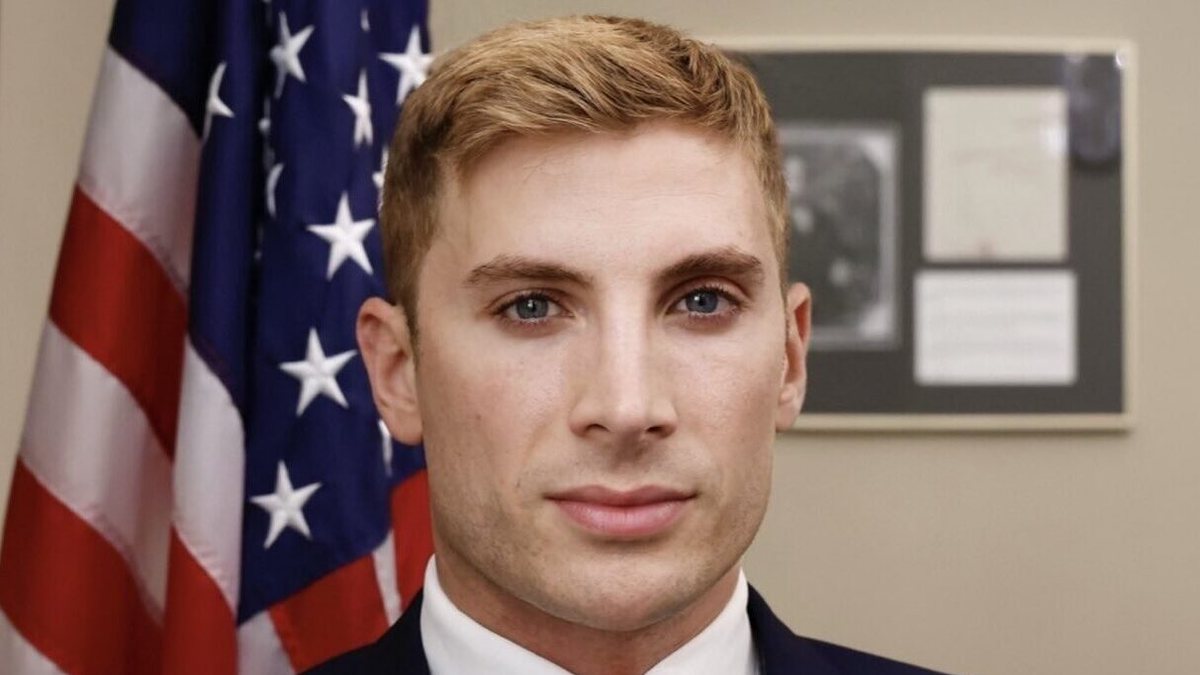
Australia and India are among 10 countries that have signed a US-led declaration to protect the technologies and infrastructure behind artificial intelligence, days before Anthony Albanese meets Donald Trump at the Quad leaders' summit in Manila, The Guardian, The Hindu and The Australia Today reported.
The San Francisco Declaration on the Secure Foundations of Enduring Prosperity was signed on 15 November at a Pax Silica founders' meeting convened by US Under Secretary of State for Economic Affairs Jacob Helberg. According to the US State Department, the signatories are the United States, Australia, India, Israel, Japan, South Korea, Qatar, Singapore, the United Arab Emirates and the United Kingdom.
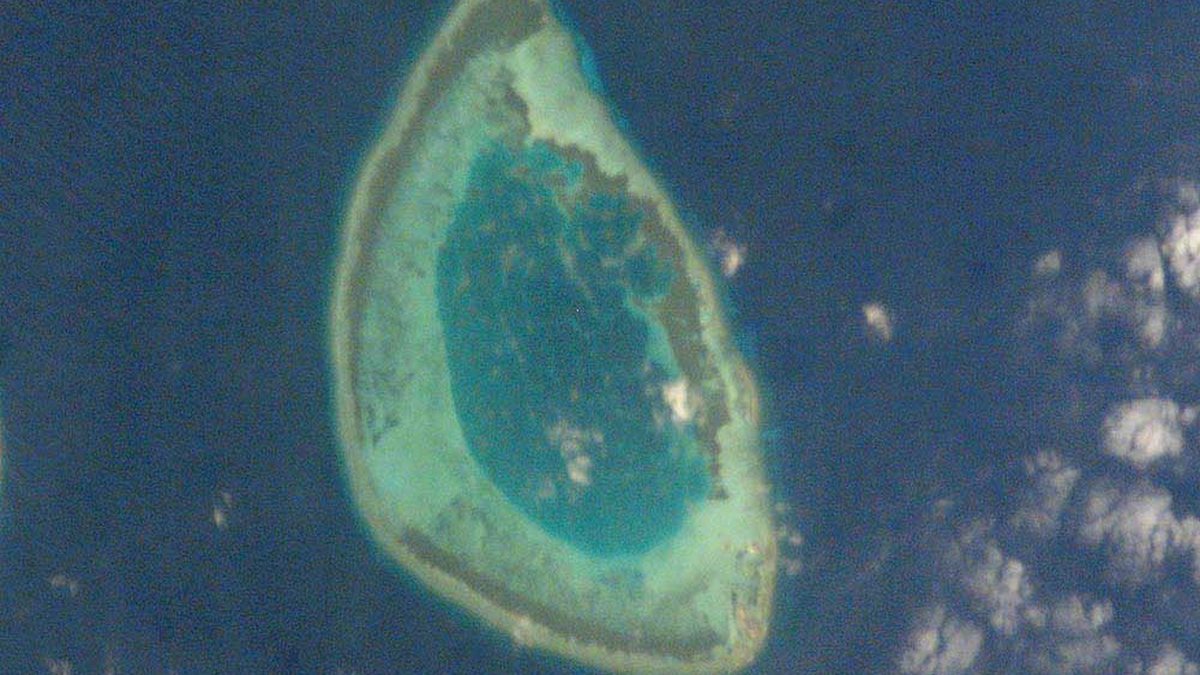
The Guardian said the agreement was designed to firm up supply chains for chips and critical minerals components in the face of China's efforts to control areas of AI development. The Hindu described it as coming amid growing competition with China in emerging technology. Pax Silica was announced by the US in December last year to secure supply chains for silicon and other minerals used in semiconductor production, The Hindu reported.
The declaration covers two areas. One is sensitive technologies, which The Australia Today said includes goods, software, materials, technical knowledge and manufacturing inputs whose theft or acquisition by hostile actors could give military or intelligence advantages. The other is critical infrastructure, which the text describes as "the ports, terminals, transport, communications, and logistics networks" and the energy and digital systems they rely on, The Guardian reported.
Signatories plan five working groups, covering pro-innovation policy, adoption of the technology across industry sectors, supply chain cooperation, safe harbours and supply chain security hubs, and security and resilience. "No nation can secure the foundations of the SI era alone," a State Department statement said, according to The Hindu, which noted the US government now calls AI "Super Intelligence" after Mr Trump signed an executive order renaming it.
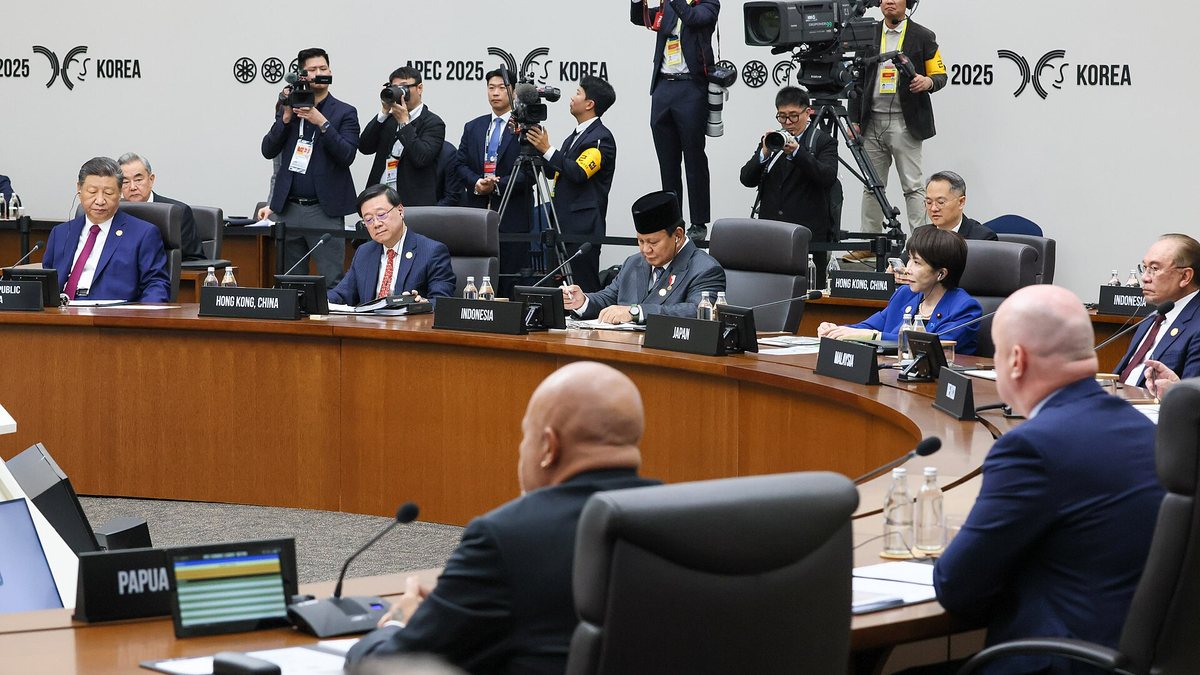
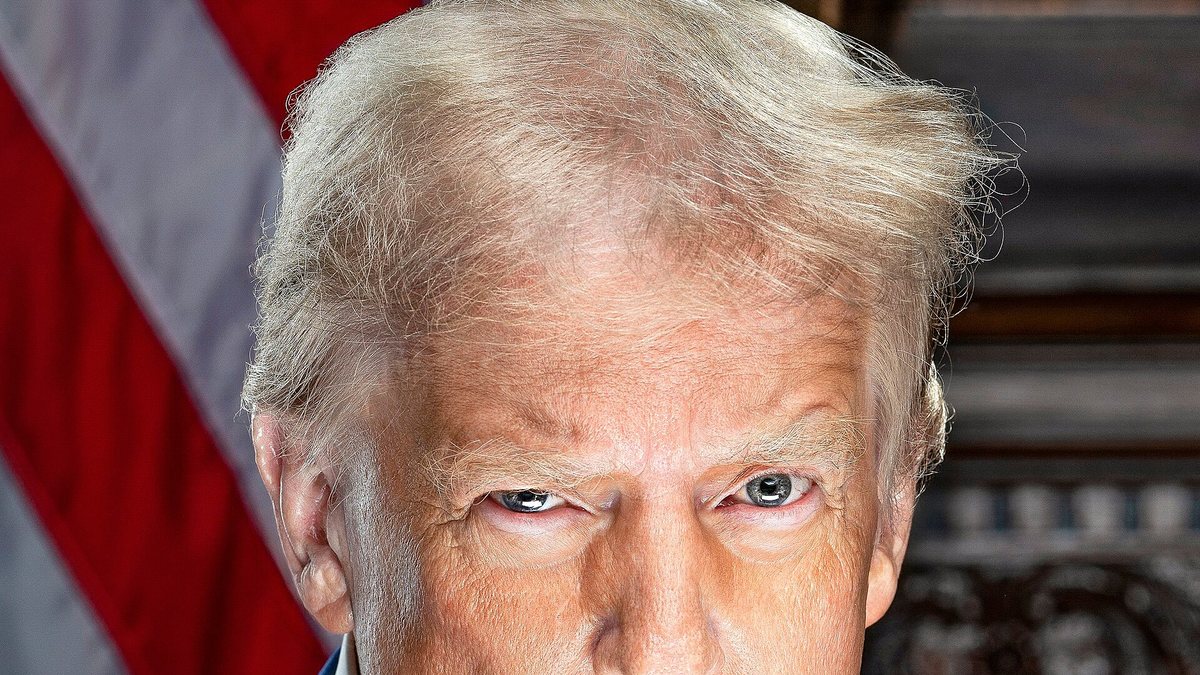
The Manila meeting will be Mr Trump's first Quad leaders' summit in either of his presidencies and the first gathering of Quad leaders since 2024, The Guardian reported. Federal government sources told the paper the travel, which includes the Apec leaders' meeting in Shenzhen, China, at the end of the week, was about keeping Mr Trump engaged in the final two years of his presidency.
Asia Society senior fellow Premesha Saha told The Guardian the talks would focus on critical minerals, maritime security and energy security. "For Australia, keeping the United States engaged in the Indo-Pacific is a core strategic interest," she said.
At the Asean-Australia summit on Monday, Mr Albanese announced a digital economy program to support AI safety and digital trade standards, saying humans must shape the technology "rather than let it shape us". He also told Laos counterpart Saleumxay Kommasith that Australia remained very concerned about the deaths of backpackers Bianca Jones and Holly Morton-Bowles, who died after drinking methanol-laced alcohol in Vientiane in 2024.
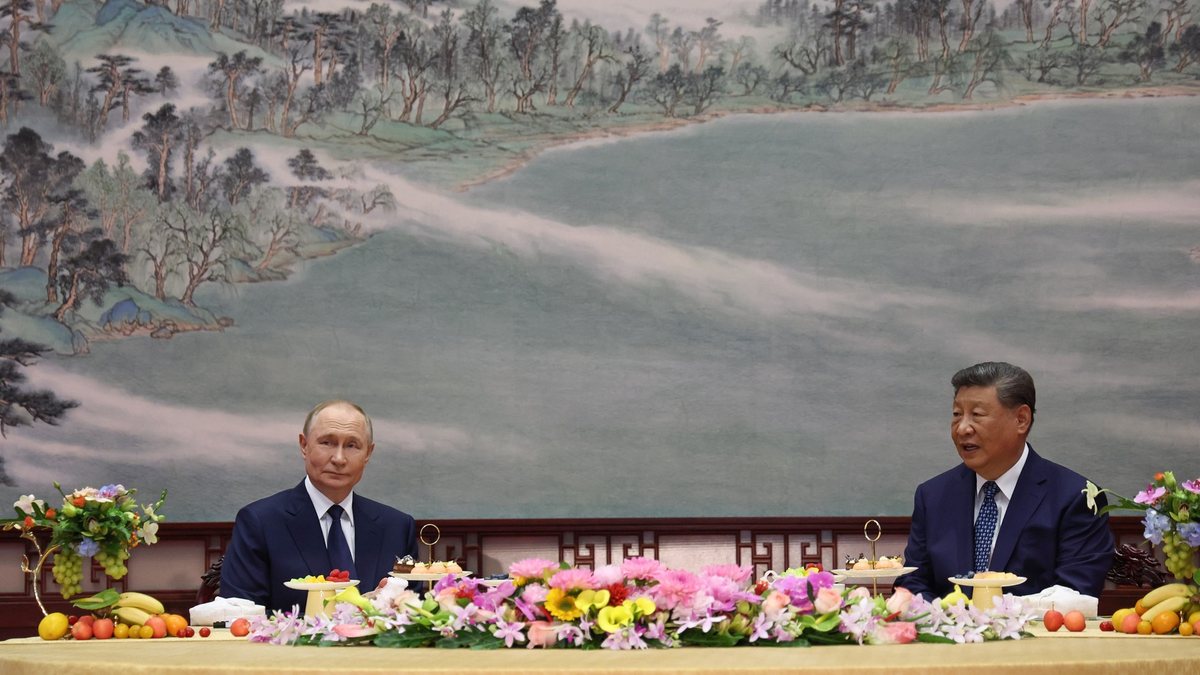
Mr Albanese is due to meet Mr Trump on Tuesday. The US president is also preparing for three-way talks with China's Xi Jinping and Russia's Vladimir Putin this week, The Guardian reported.
Sources: The Guardian, Albanese signs on to Trump’s AI supply chain pact before leaders’ meeting at Quad summit; The Australia Today, Australia and India sign San Francisco Declaration on AI security; The Hindu, India, U.S., eight other nations sign declaration to safeguard AI supply chains.