Australia sanctions North Korean firms over fraudulent online workers
Two companies and two alleged financial brokers are targeted over schemes said to fund Pyongyang's nuclear weapons program.
Australia has placed sanctions on two North Korean companies and two men the government describes as shadow bankers. It accuses them of using online workers with false identities to raise money for Pyongyang's nuclear weapons program and evade UN sanctions, ABC News reported.
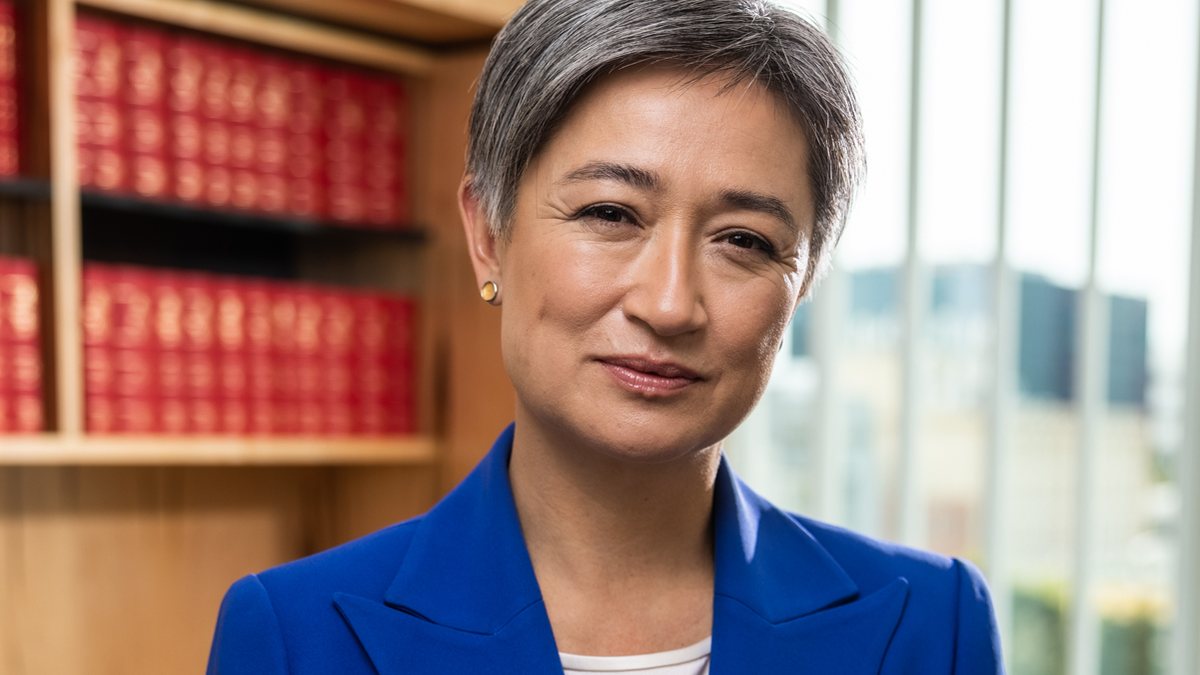
According to Foreign Minister Penny Wong, the firms hired North Koreans who pretended to come from other countries and found jobs through online platforms. The workers then handed what they earned to major state agencies in North Korea. She called this "a violation of UN Security Council resolutions that prohibit North Korea's export of labour" and said Canberra had acted together with partners abroad, the European Union among them.
US agencies have already targeted both men. The FBI offered a $5 million reward for information that would help it capture Sim Hyon Sop. The agency alleged that he helped defraud American banks by sending payments in US currency so that trade could be carried out for Pyongyang.
That reward came a year before the US Treasury's 2024 description of the second man, whom American authorities regard as one of the regime's leading money brokers. The ABC reported that Treasury called him central to North Korea's illicit finances and adept at a range of schemes for staying undetected.
Washington and a number of other governments allege that North Korea has assembled a global workforce of IT staff, using cybercrime and income from abroad to clean billions of dollars. Pyongyang has denied more than once that it runs shadow financial networks and calls the claims fabricated. Police and financial institutions in many countries say they have a large body of evidence behind the accusations.
In July, Australia was among the countries that issued a joint warning, along with the US, Japan, South Korea, the United Kingdom, Canada and a number of European states. They said North Korean workers were turning to "increasingly sophisticated methods, including the integration of AI" to conceal who they were and to widen their operations around the world. The group asked other governments to learn more about how the schemes work and to take steps against them.
Across the Tasman, New Zealand's cyber agencies said in an advisory earlier this year that a business there had taken on a remote contractor without realising the person was a North Korean operative.
Wong said the new measures were part of joint efforts with partners to cut off North Korea's illicit sources of income and push the regime to give up both its ballistic missile and nuclear programs. She said Australia was still urging Pyongyang to "comply fully with UN Security Council resolutions" and move towards denuclearisation that is complete, irreversible and verifiable.
This report is based on reporting by ABC News: Australia targets fraudulent North Korean workers propping up nuclear program.