Australia slips to sixth in Lowy Asia power index as US lead over China narrows
The Lowy Institute's 2026 Asia Power Index puts the US lead over China at a record low, with India gaining ground and Australia now behind Russia.
Australia has dropped to sixth place in the Lowy Institute's annual Asia Power Index, behind Russia, as the United States' lead over China shrank to its smallest margin since the survey began in 2018, the ABC, The Sydney Morning Herald and the South China Morning Post reported.
According to the ABC, Australia's comprehensive power score dipped slightly from last year and the country fell one place. The Herald described Russia as remaining in fifth, behind the US, China, India and Japan. Expert respondents praised Prime Minister Anthony Albanese for advancing Australia's economic interests, the Herald said, including regional visits to secure fuel and fertiliser supplies during the Iran war. They rated him less effective at advancing its diplomatic interests in Asia.
The US is still the region's most powerful country. The SCMP reported its comprehensive score fell for a second straight year, to 78.9 out of 100. The Herald said that left it 5.3 points ahead of China across 131 metrics. The gap in military capability is the narrowest on record.
"This narrowing divide owes more to Washington's missteps than to any advances on Beijing's part," authors Hunter Marston and Jack Sato wrote, as quoted by the ABC. The report linked a record fall in US diplomatic influence to the war with Iran, which it said had depleted US stocks of long-range missiles. The Herald reported the US had moved military resources from the Indo-Pacific to the Persian Gulf and held fewer joint exercises and defence dialogues with Australia, Japan and South Korea.
China held steady on most measures and ranked first for economic relationships and diplomatic influence, the ABC said. The Herald reported the authors credited President Xi Jinping with expanding China's maritime warfare capabilities, with Beijing increasingly willing to challenge the territorial claims of smaller countries such as the Philippines.
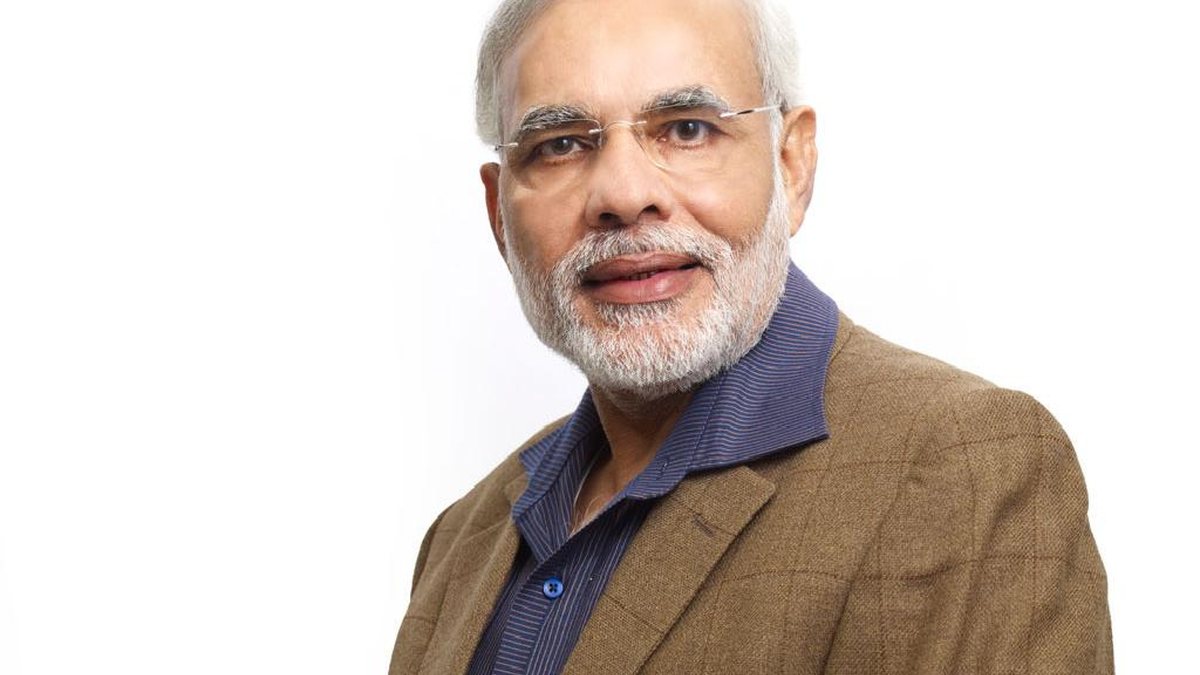
India became more influential overall, and Prime Minister Narendra Modi is now rated the second most effective regional leader after Xi. "It's largely stability at a time of upheaval," Mr Sato told the ABC, pointing to continuity in Modi and External Affairs Minister S. Jaishankar. India's economic capability and resilience scores fell, and China's power remains 80 per cent higher than India's.
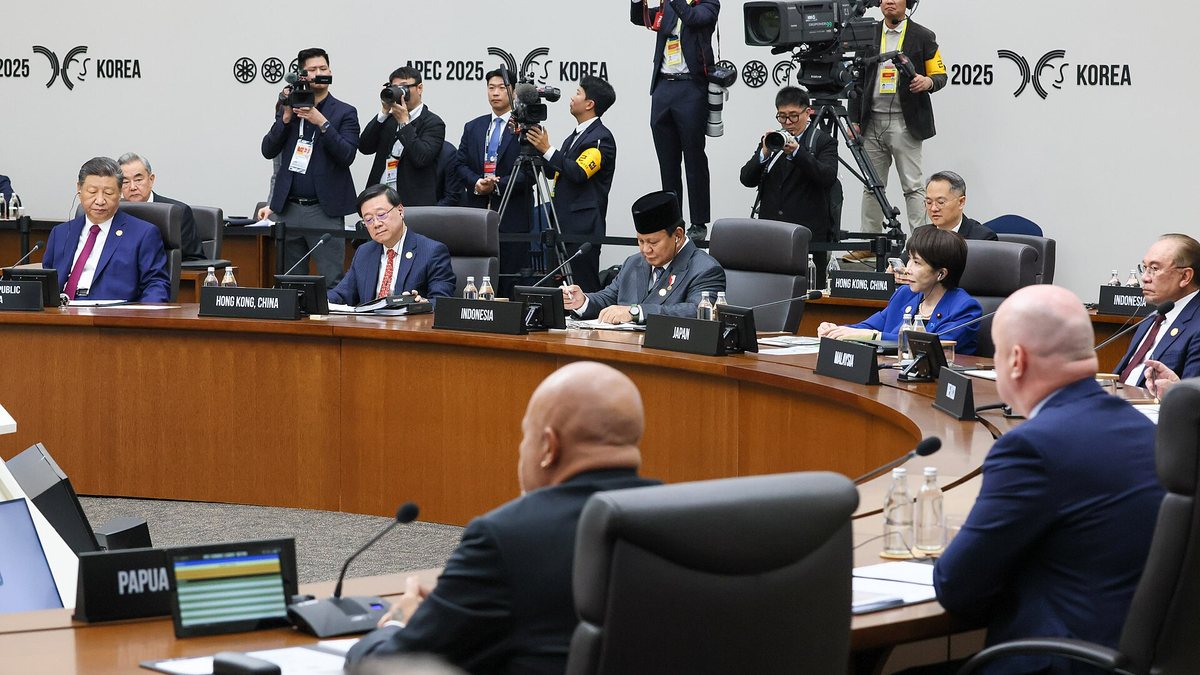
The closure of the Strait of Hormuz and higher fuel and fertiliser prices hit the region hard. Government effectiveness declined in nearly every South-East Asian country except Singapore, Myanmar and Laos. Indonesia recorded the biggest drop in diplomatic influence, which the report put down largely to a "haphazard approach to foreign policy" under President Prabowo Subianto.
The authors wrote that the "middle power moment remains largely rhetorical". The Herald reported Solomon Islands Prime Minister Matthew Wale is due in Canberra this week to sign a comprehensive treaty with Australia.
Sources: South China Morning Post, Washington’s ‘missteps’ narrow US lead over China in annual Asia power ranking; ABC News, US-China power gap narrows as Beijing gains ground, Lowy report finds; The Sydney Morning Herald, China on verge of eclipsing US power in Asia after Trump stumbles.