Bhutanese bar singer and K-pop veteran among 11 acts at first Eurovision Asia
Singers from 11 countries perform in Bangkok on Saturday at the first Asian edition of the Eurovision Song Contest.
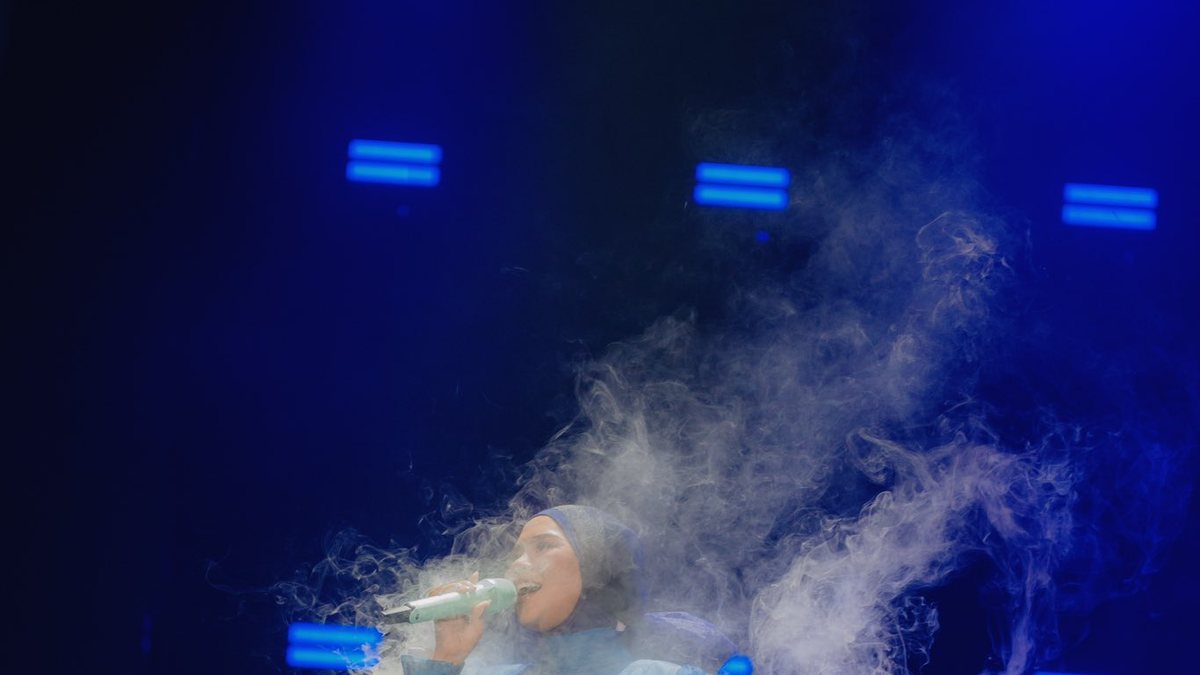
Eleven countries will compete in Bangkok on Saturday at the first Asian edition of the Eurovision Song Contest, the BBC and the Hindustan Times reported. The Guardian said many of the acts had never heard of the contest before they were chosen to represent their countries. It also said the region has none of the large fanbases that have grown up in Europe over seven decades.
The European show is organised by national public broadcasters. The Asian contest is being run by commercial TV stations, many of which chose singers who already had a fan base, according to an AFP report carried by the Hindustan Times. It will be broadcast live in the participating countries, in several others and on YouTube. The report said this year's European edition drew 131 million viewers.
Bhutan's entry, 24-year-old Nyendra, applied for his first passport after winning the national selection. "I've never actually stepped on a plane before," he told The Guardian. For five years he has supported himself by singing in bars and restaurants in Thimphu. His song Lhayi Semo, sung in Dzongkha, roughly means "the angel". He told AFP that "nobody knows me" but that winning "would mean the entire world to us".
South Korea's Junhee, 32, debuted in 2017 as leader of the group A.C.E and now records solo. His entry, Deep Dive, moves from progressive EDM into hip-hop and R&B, and its lyrics were co-written with AleXa, winner of the American Song Contest. He told The Guardian he expects to win. "There might be a second or third Asian season. So the title of being the first winner means a lot to me," he said.
The Philippines is represented by Carmelle, 19, who grew up beside railway tracks in the Bicol region. Her song Sobra-Sobra is in Tagalog and English and uses the traditional kubing and kulintang. Viewers cannot vote for their own country, but The Guardian reported she expects support from the Philippines' large contingent of overseas workers.
Malaysia's Aina Abdul showed AFP a blue-and-white dress that took 600 hours to make. "I hope they are strategic enough, so that even though they're voting for someone else, I can still win!" she said of her fans. Mongolia's Beck is a trained economist who advises the country's deputy prime minister on banking issues. He will perform in what he called a "suit of a warrior".
Thailand's duo Mang x Daou did not engage with questions about possible tensions with Cambodia following the two countries' border clashes last year, the AFP report said. Beck said the show should be a safe space away from the world's problems.
Vietnam's Toc Tien, one of the best-known performers in the line-up, will open Saturday's show with a pop-dance track.
Sources: BBC News, Can the Eurovision Song Contest succeed in Asia?; The Guardian, The bar singer, the K-pop veteran and the ‘railway track diva’: meet three Eurovision Asia 2026 hopefuls; Hindustan Times, K-pop and warrior suits: Asia hopefuls seek Eurovision glory.