Delhi air turns 'very poor' for first time this winter, tighter curbs invoked
India's capital recorded an AQI of 324 on Monday, triggering Stage 2 emergency measures a day after its Winter Action Plan began.
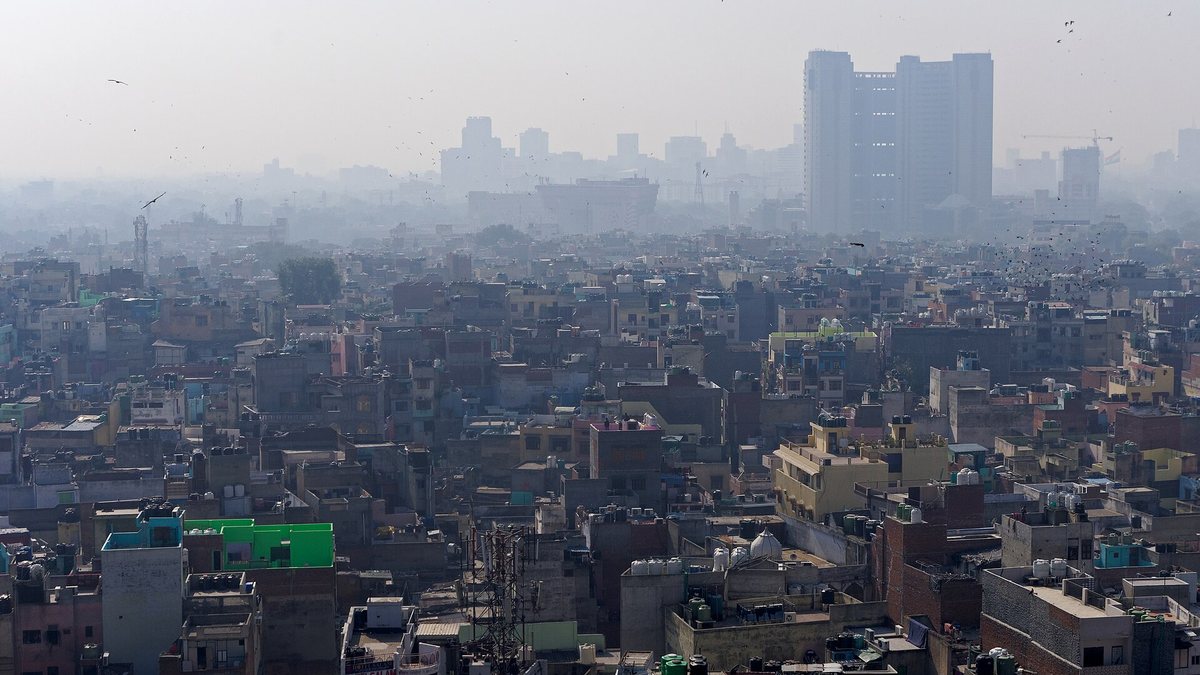
Delhi's air quality fell into the "very poor" category on Monday for the first time this winter, prompting the Commission for Air Quality Management to invoke Stage 2 of its emergency pollution plan, The Hindu reported.
The city's 24-hour average Air Quality Index stood at 324 at 4pm, up from 261, rated poor, a day earlier, according to the Central Pollution Control Board's daily bulletin. The board says very poor levels could lead to "respiratory illness on prolonged exposure". Delhi last recorded a very poor reading on February 11, when the index was 305.
The Graded Response Action Plan is a four-stage set of short-term measures. The Hindu said Stage 2 requires state governments in the National Capital Region to raise parking fees to discourage private vehicle use. Public offices and municipal bodies in Delhi, Gurugram, Faridabad, Ghaziabad and Gautam Buddha Nagar must also stagger their hours.
The Delhi Metro will add 20 weekday trips to the 20 extra it has been running since Stage 1 was enforced on October 28. "This is to encourage people to use public transport rather than their private vehicles and help mitigate pollution," a senior Metro official told The Hindu.
The move followed separate restrictions that CNA reported had taken effect on Sunday under Delhi's Winter Action Plan. CNA said these include doubled parking charges and work-from-home arrangements for government and private offices, along with a ban on dust-generating demolition and outdoor construction. Vehicles that do not meet emission standards will be barred from entering the capital. Chief Minister Rekha Gupta's office promised "stricter pollution controls, stronger enforcement" and round-the-clock monitoring.
The two outlets put different emphasis on the causes. The Hindu said winter spikes are mainly due to lower wind speeds and falling temperatures, with stubble burning and festive firecrackers adding to pollution from vehicles and dust. CNA cited environment ministry figures attributing 23 per cent of Delhi's winter pollution to vehicles, 20 per cent to biomass burning, including farm stubble fires, and about 9 per cent to industry, including coal-fired power plants.
CNA reported that monitors recorded PM2.5 at 201mcg per cubic metre on Sunday, more than 13 times the World Health Organization's safe limit, a reading likely helped by recent intermittent rain. Levels peaked at 846mcg in 2025, it said. CNA also cited a 2024 study in The Lancet Planetary Health that linked an estimated 3.8 million deaths in India between 2009 and 2019 to air pollution.
The Central government's Air Quality Early Warning System forecasts that Delhi's air will stay in the very poor category for the next three days, The Hindu reported.
Sources: The Hindu, Air quality of Delhi slips to ‘very poor’ for first time this winter, Stage 2 of GRAP invoked; CNA, New restrictions kick in as Delhi battles pollution in winter.