Fashion brands move Bangladesh orders to India as garment unrest bites
Zara, H&M and others diverted about US$254 million in orders in early November, mostly to India, Bangladeshi factory owners told Reuters.
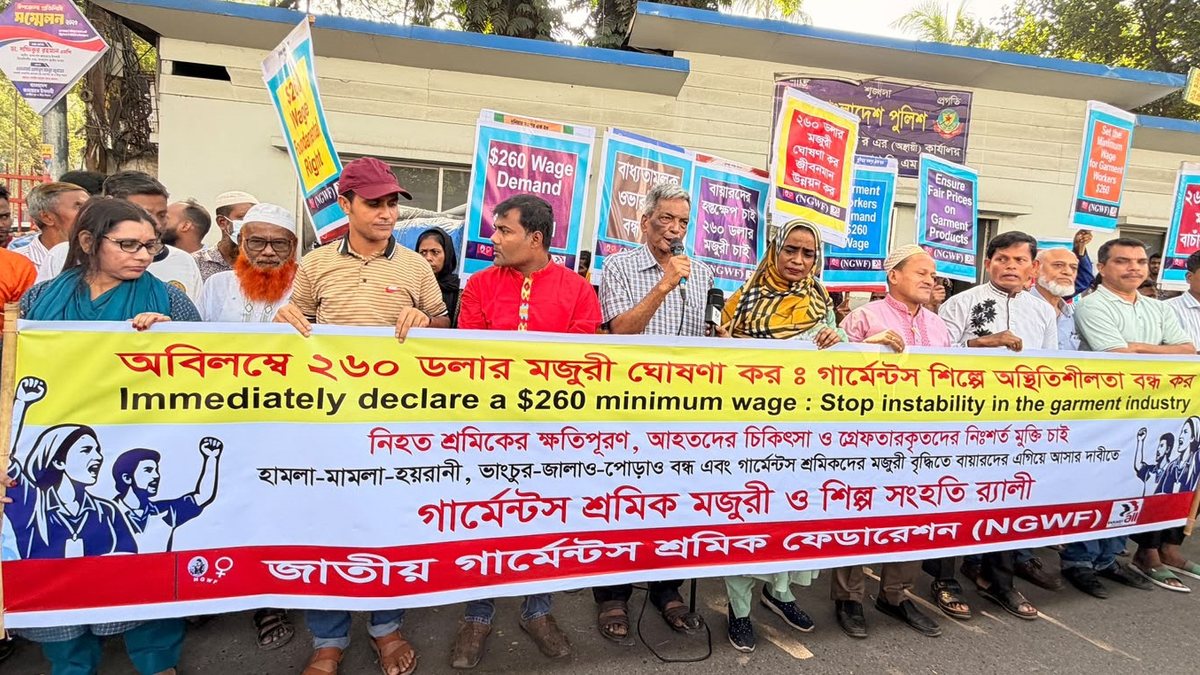
Global fashion retailers including Zara and H&M moved about US$254 million worth of orders out of Bangladesh between November 1 and 18, with most of the work going to India, three factory owners told Reuters. The report, carried by The Straits Times, CNA and The Hindu, said that was nearly a tenth of monthly orders.
The owners spoke anonymously because of concerns about their relationships with buyers. They also named Marks & Spencer and Celio. Zara owner Inditex declined to comment, while M&S, H&M and Celio did not respond. Industry leaders said buyers were also turning to Vietnam, Cambodia and Indonesia.
Indian textile stocks rose after the report. Gokaldas Exports jumped as much as 11 per cent and Trident gained about 5 per cent, The Hindu and The Straits Times reported. Welspun Living, KPR Mill and Vardhman Textiles each rose around 2 per cent.
Bangladesh is the world's second-largest apparel exporter after China, and the industry earns more than 80 per cent of its export income. The Bangladesh Garment Manufacturers and Exporters Association (BGMEA) puts production losses from the protests above US$400 million. Factories around Dhaka have lost an estimated 20 to 25 production days, and some are weighing overtime and air freight to meet deadlines.
On November 25 the government approved a 36 per cent rise in the garment minimum wage, the smallest increase in four decades. Workers had demanded more than double, and fresh clashes with police followed. Abdur Rahman Tarafder, secretary of the Ministry of Labour and Employment, called the rise "satisfactory" and said he hoped workers would return from November 28. Industry leaders said the rise would still narrow Bangladesh's labour-cost advantage over India.
BGMEA director M. Mohiuddin Chowdhury said delivery times now mattered more than price. Rival hubs can finish production and delivery in 60 to 90 days compared with about 120 in Bangladesh, he said. Energy shortages, made worse by the Middle East crisis, have pushed some factories onto costlier power.
Khan Monirul Alam, managing director of Alps Apparels Group, said most of his buyers had stopped ordering since November 1. "They are telling us our orders have been shifted, postponed or cancelled and that they have already found alternative solutions," he said.
Union leader Babul Akhter, a workers' representative on the wage board, said brands already factored instability into sourcing, making the moves "hard to justify", according to The Hindu and The Straits Times. CNA and The Straits Times quoted BGMEA president Mahmud Hasan Khan as saying temporary shifts helped the industry keep clients while limiting losses.
Tensions over former prime minister Sheikh Hasina's possible return to Dhaka from India have added to fears of further disruption. "Brands have options. They will not wait for us if instability persists," Chowdhury said.
Sources: The Hindu, Global fashion brands shift orders from Bangladesh to India amid unrest; CNA, Global fashion brands shift orders from Bangladesh to India amid unrest; The Straits Times, Global fashion brands shift orders from Bangladesh to India amid unrest.