Top UN court sets November 19 for ruling in Rohingya genocide case
The International Court of Justice will decide whether Myanmar's crackdown on the Rohingya breached the 1948 Genocide Convention.
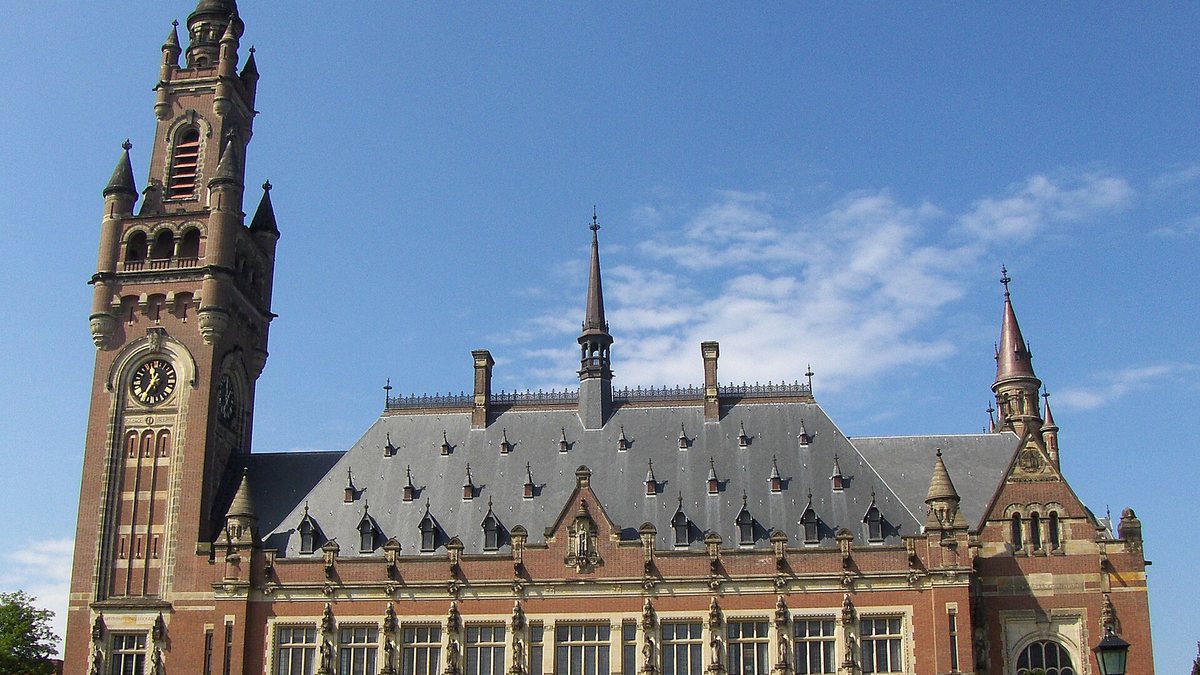
The International Court of Justice (ICJ) will rule on November 19 on whether Myanmar's crackdown on its mostly Muslim Rohingya minority was a genocide, The Hindu and The Straits Times reported, citing officials who announced the date on Tuesday.
The Gambia brought the case under the 1948 UN Genocide Convention, which allows any state to raise the alarm if it suspects genocide is being committed. Judges have been weighing its accusations for seven years.
The ICJ cannot enforce its decisions. Both outlets, in reporting The Straits Times credited to AFP, said a finding of genocide would put more international pressure on Myanmar's military junta and be seen as justice for hundreds of thousands of Rohingya.
Hundreds of thousands of Rohingya fled to Bangladesh during the crackdown by the army and Buddhist militias, bringing accounts of gang rape and mass executions. More than one million still live there, in the world's largest refugee settlement. Myanmar has always denied genocide and says its actions targeted a military uprising by insurgents, after a series of attacks left a dozen security personnel dead.
At hearings in January, Gambian Justice Minister Dawda Jallow told the court the Rohingya had suffered "the most horrific violence and destruction one could imagine". He said: "They have been targeted for destruction." Ko Ko Hlaing, a minister in the Myanmar president's office, called the allegations "unsubstantiated" and said: "Emotional language and blurry factual pictures are not a substitute for a rigorous presentation of facts."
The court has already ruled twice on earlier stages of the case. In 2020 it ordered Myanmar to "take all measures within its power to prevent the commission of all acts" described by the convention, and its judges also rejected Myanmar's challenge to their jurisdiction.
The two outlets reported that the decision is being watched for clues about how the ICJ might approach South Africa's genocide case against Israel over its campaign in Gaza.
Other courts are also examining possible crimes against the Rohingya. The chief prosecutor of the International Criminal Court asked judges in 2024 for an arrest warrant for junta chief Min Aung Hlaing over alleged crimes against humanity, and a case is under way in Argentina under the principle of universal jurisdiction.
Aung San Suu Kyi, who addressed the ICJ in 2019 as Myanmar's de facto civilian leader and denied any "genocidal intent", will not attend the verdict. The 81-year-old Nobel peace laureate has been under house arrest in Naypyidaw since she was unseated in a 2021 military coup.
Sources: The Hindu, Top UN court to rule November 19 on Rohingya genocide case; The Straits Times, Top UN court to rule Nov 19 on Myanmar/Rohingya genocide case.