UN court to rule on whether Myanmar committed genocide against Rohingya
The UN's top court rules on Thursday in The Gambia's seven-year case over Myanmar's 2017 military crackdown in Rakhine State.
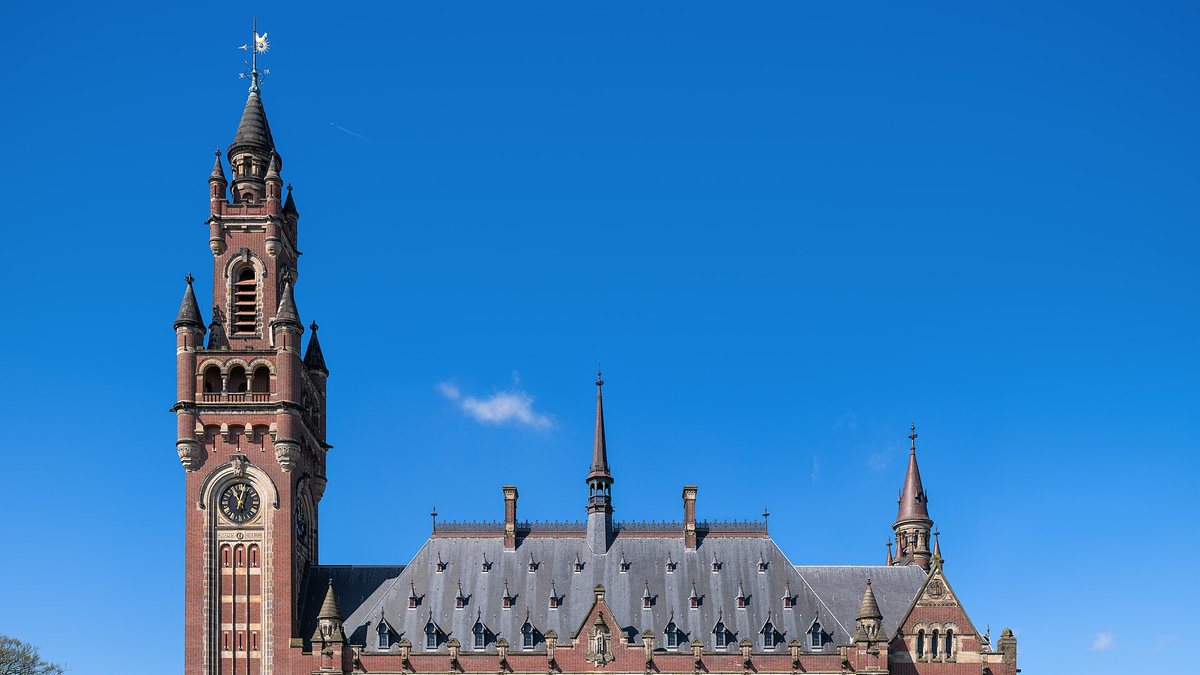
The International Court of Justice in The Hague is due to rule on Thursday on whether Myanmar committed genocide against its Rohingya Muslim minority. The case was filed by The Gambia in November 2019. The BBC and CNA reported that no state has ever been found by an international court to have committed genocide.
The case concerns the military's 2017 operations in Rakhine State, and the outlets give different figures. CNA reported that more than 700,000 Rohingya fled to Bangladesh. Al Jazeera cited a UN estimate that about 10,000 were killed and 740,000 forced to flee. The Straits Times cited a Medecins Sans Frontieres survey that found at least 6,700 Rohingya were killed between 25 August and 24 September 2017, including at least 730 children under five.
Myanmar denies the allegations. It says the army was carrying out counter-terrorism operations after the Arakan Rohingya Salvation Army attacked police posts. At hearings in January, its lawyers told the judges The Gambia had not proven its case, and the foreign ministry called the claims "flawed and unfounded in fact and law", the Straits Times reported. Aung San Suu Kyi defended the country in person in 2019. The BBC reported that she accepted war crimes may have been committed but said that was not proof of genocidal intent. Since the 2021 coup, a team appointed by the military has led the defence.
The Gambia has the backing of the 57-member Organisation of Islamic Cooperation. Al Jazeera reported that seven states, including Canada, France and the United Kingdom, supported its case at the January hearings. In 2022 the court rejected Myanmar's argument that The Gambia had no standing to bring the case.
To find genocide, judges must be satisfied that the atrocities were carried out with intent to destroy a group. Where intent is inferred from conduct, it must be the only reasonable inference. In 2007 the court found Serbia had failed to prevent the Srebrenica genocide but did not find it had genocidal intent. "It would be a judgment of landmark importance if The Gambia were to win this case," Arsalan Suleman, the lawyer leading The Gambia's case, told the BBC.
The Gambia wants Myanmar ordered to allow a safe return, pay compensation and rebuild homes. Michael Becker, a Trinity College Dublin law professor, told Al Jazeera that "the political conditions on the ground in Myanmar are not amenable to realising that relief anytime soon". The BBC noted there is no appeal against an ICJ verdict and no penalty attached to one.
More than a million Rohingya live in camps in Bangladesh, according to CNA and the BBC. Al Jazeera put the figure at about 1.2 million after more than 155,000 arrivals since early 2024, and said food rations have been cut as aid falls. The Arakan Army now controls most of Rakhine State. "This is like formal recognition of our suffering," Mohammed Nowkim, a Rohingya refugee now living in Canada, told the BBC.
Al Jazeera said the ruling is the first final judgment in five genocide cases before the court, and both it and CNA reported it could bear on South Africa's case against Israel. CNA noted that the International Criminal Court's prosecutor sought an arrest warrant for Myanmar leader Min Aung Hlaing in 2024, and a separate case is under way in Argentina.
Sources: BBC News, Myanmar faces historic genocide verdict at UN court over Rohingya massacres; CNA, World Court to rule whether Myanmar committed genocide against Rohingya; Al Jazeera, ICJ to rule on Rohingya genocide case against Myanmar: What’s at stake?; The Straits Times, From 2017 crackdown to UN court, a decade of the Rohingya crisis.