US lawmakers push tighter China chip curbs after Nvidia's Jensen Huang quits
Speaker Mike Johnson says Congress is moving towards limits on AI chip exports to China after a spy scandal ended Jensen Huang's time at Nvidia.
US lawmakers from both parties are pushing for tighter limits on China's access to advanced AI chips. The push follows the resignation of Nvidia chief executive Jensen Huang over reports of a relationship with a woman US authorities suspect of spying for Beijing, CNA and The Straits Times reported.
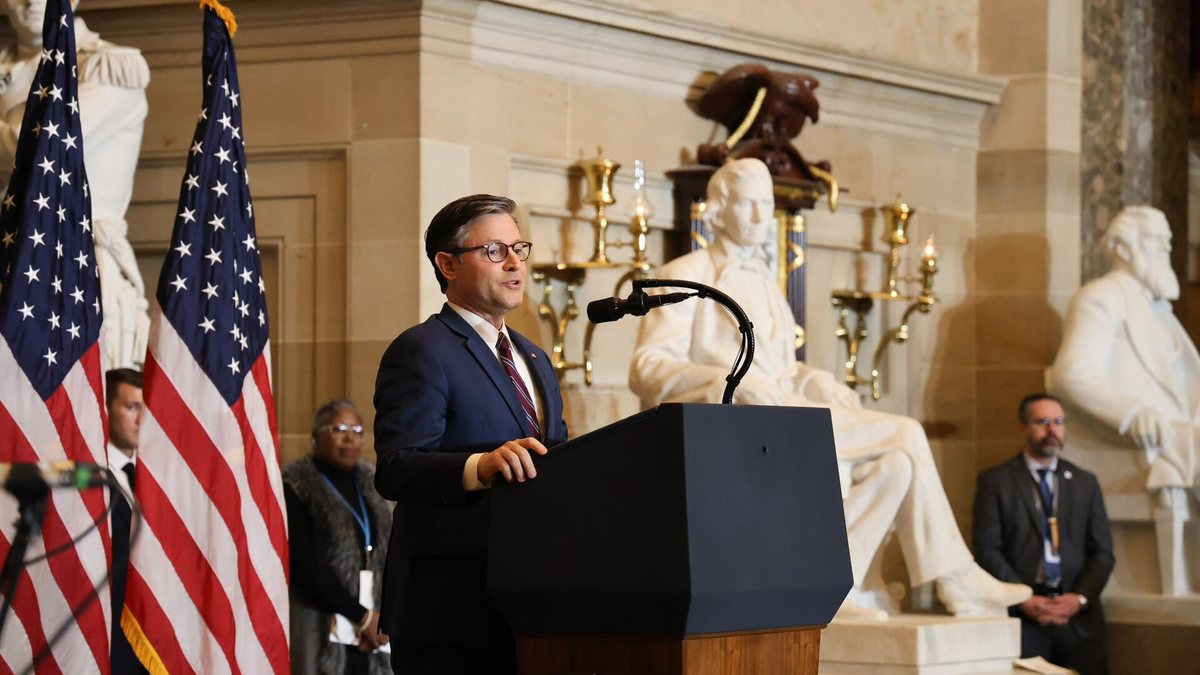
House Speaker Mike Johnson told reporters at the Capitol on Thursday (Nov 12) that he favoured limiting China's access to the technology. "I think there's a developing consensus in Congress that is an important position to take," the Louisiana Republican said, according to CNA.
CNA identified the woman as Alice Huang, an executive at Megaspeed. The US government suspects the Nvidia partner of helping China obtain chips restricted under export controls. The Straits Times described her employer as a Singapore-based tech company. Beijing has denied she is a spy. According to The Straits Times, Huang has admitted to an extramarital affair without naming the person, and Nvidia's statement did not address his actions.
Lawmakers are pressing for at least four bills on chip exports, and some want them attached to the annual defence authorisation bill, a must-pass measure that funds the military. The Straits Times reported that the Senate version already includes three of them. The South China Morning Post said the timing was sensitive because that bill is now being debated.
The AI Overwatch Act, proposed by Democratic Senator Elizabeth Warren and Republican Senator Jim Banks, would give Congress a bigger say over export rules. The Chip Security Act would require chipmakers to track where advanced processors end up. The Semiconductor Industry Association has warned that such tracking could be costly. The Match Act would pressure allies to restrict chipmaking equipment bound for China. The Straits Times noted that the Netherlands and Japan are home to ASML and Tokyo Electron.
The Remote Access Security Act would let the Commerce Department stop Chinese firms renting overseas data centres to reach Nvidia chips. It passed the House in January and is awaiting the Senate. In July, Nvidia said the measure could have "a material impact on our business". Reuters reported that Chinese AI companies are rushing to secure Nvidia-powered computing capacity outside China before any crackdown.
Paul Triolo of DGA-Albright Stonebridge Group told CNA that Huang had argued for allowing sales of less advanced chips such as the H200 while backing curbs on the most advanced ones. He said Nvidia's next chief executive was likely to take a different approach. Beijing is itself limiting large-scale imports of the H200, and around 600,000 of the chips are reportedly stored in Hong Kong awaiting shipment to the mainland, CNA reported. In August, Nvidia said its revenue from Chinese data centres was near zero.
Huang is expected to testify before Congress before Thanksgiving on Nov 26. House Foreign Affairs Chairman Brian Mast said congressional staff spoke with Nvidia on Wednesday night about a date and location.
Sources: CNA, China's access to Nvidia chips in doubt as curbs gain traction in US Congress; The Straits Times, Tougher curbs on AI chip sales to China likely after Nvidia CEO resigns; South China Morning Post, Jensen Huang’s departure may signal tighter US controls on AI chip exports to China; The Economic Times, US lawmakers turn heat on Nvidia's China chips.