Xi, Trump and Putin issue peace declaration that is silent on Ukraine and Iran
The first three-way talks between the leaders of China, the US and Russia ended in Shenzhen with a broad statement on nuclear risk, oil and UN reform.
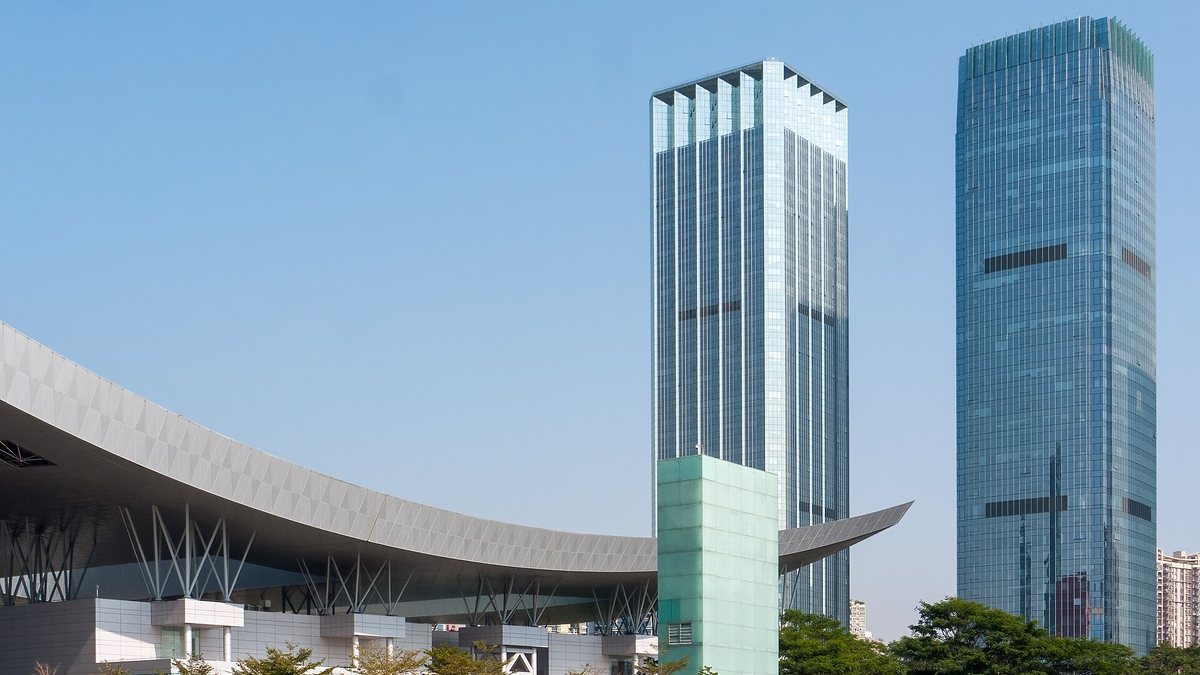
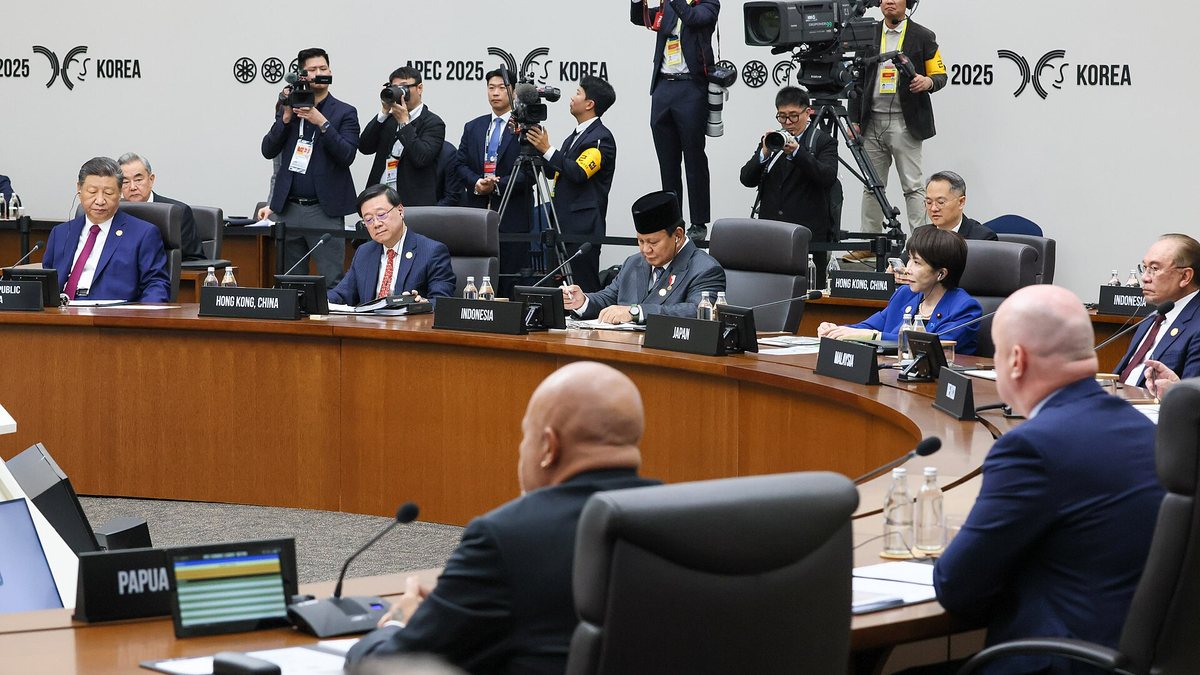
Chinese President Xi Jinping, US President Donald Trump and Russian President Vladimir Putin issued a joint "peace declaration" on Thursday after the first trilateral meeting between leaders of the three countries. It was held in Shenzhen on the sidelines of the Asia-Pacific Economic Cooperation (APEC) summit. The Guardian reported that the statement made no mention of the wars in Ukraine and Iran.
The declaration said "a nuclear war cannot be won and must never be fought". The Hindu reported that the leaders agreed to launch a dialogue on reducing nuclear risks. The Guardian said the document stopped short of a framework for denuclearisation and repeated language already issued by the five permanent members of the UN Security Council.
According to the Guardian and The Hindu, the three countries also backed UN reform and pledged to "increase the production and supply of refined petroleum products for the benefit of all nations". They agreed the International Criminal Court and similar bodies "must not abuse their jurisdiction". The Guardian noted that Putin is subject to an ICC arrest warrant.
CNA reported that Trump opened the talks by saying "we are really making history" and that the three were "uniquely positioned" to discuss reducing nuclear weapons. Putin said the countries had shared interests in settling regional conflicts, "including obviously the conflict in Ukraine". Xi did not refer to Ukraine, CNA said, but called for nuclear weapons to be prohibited and destroyed. The Hindu reported he urged the three powers to avoid the "Thucydides Trap".
CNA and The Hindu put the length of the talks at about 90 minutes, while the Guardian said they lasted about one hour and 20 minutes. The Hindu said it was Putin's first in-person attendance at an APEC summit in nine years.
Prof William Hurst of the University of Cambridge told the Guardian that "very little of substance seems to have been accomplished". Putin rejected the idea that the meeting was a photo opportunity, saying: "It is a serious collaborative work." The South China Morning Post said the declaration suggested the summit was more than a photo op, setting out areas of cooperation in energy markets, nuclear non-proliferation and global governance.
CNA reported the meeting had unnerved leaders of smaller economies in Europe and Asia. At a gathering in Berlin in support of Ukraine, Polish Prime Minister Donald Tusk said: "Mr Putin is not our friend and will never be."
Xi and Trump also met one on one. CNA and The Hindu reported the bilateral talks took place before the trilateral meeting, while the Guardian described them as following it. On Taiwan, Xi said the US should keep "doing the right thing" to avoid major setbacks in relations, according to the Guardian and The Hindu. The Hindu reported that earlier this week China accused the US of "abusing export control measures" over new rules on Chinese firms' remote access to advanced AI chips.
Sources: The Guardian, China, Russia and US agree peace declaration with no mention of Ukraine and Iran wars; CNA, Xi, Trump and Putin hold unprecedented trilateral talks with Ukraine war, nuclear arms control on agenda; South China Morning Post, Xi, Trump and Putin ‘peace declaration’ suggests summit is more than a photo op; The Hindu, U.S., China, Russia hold historic summit in Shenzhen.