PNG MPs debate Bougainville independence vote facing tough three-quarters threshold
Papua New Guinea's parliament is debating whether to ratify Bougainville's 2019 independence vote, with many MPs signalling opposition.
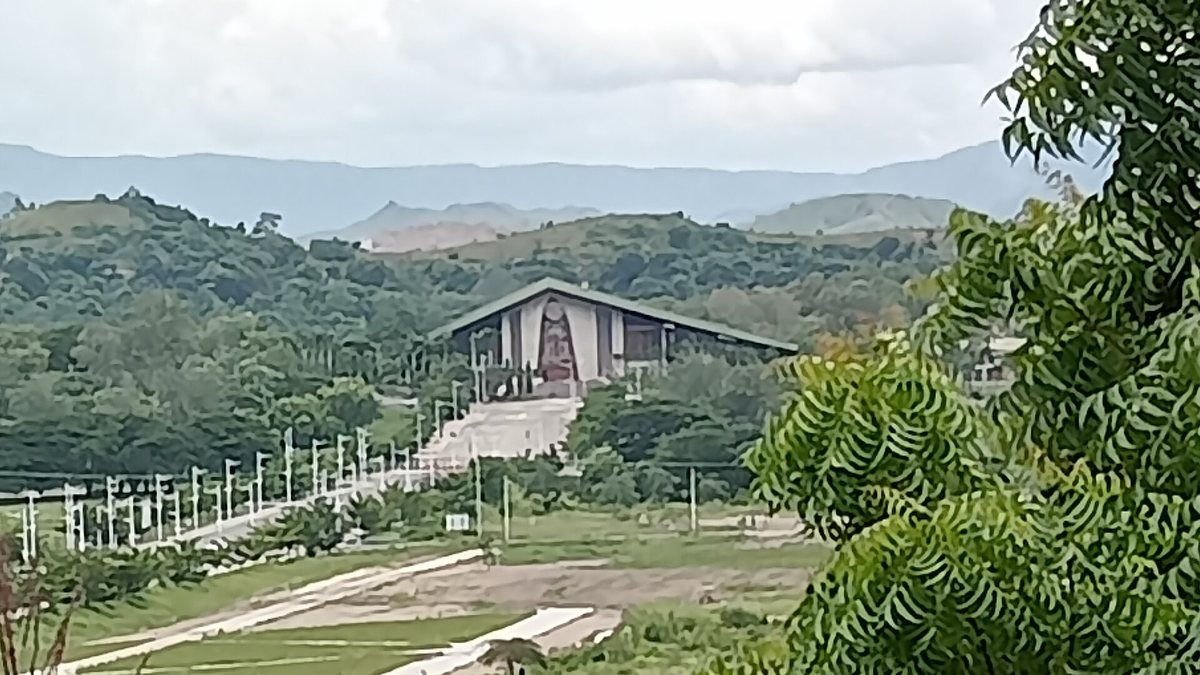
Papua New Guinea's parliament is debating whether to ratify Bougainville's 2019 independence referendum. The Guardian and RNZ reported that the result looks unlikely to win the three-quarters majority of MPs it needs.
RNZ reported that 97.7 per cent of voters backed independence in the non-binding referendum. The Guardian put the figure at nearly 98 per cent. The Guardian reported that the bar for ratification is higher than the two-thirds majority usually needed for constitutional amendments. It cited sources in Port Moresby and Bougainville who expect the parliament to reject the result. In a June statement, Bougainville's attorney-general and vice-president, Ezekiel Masatt, said the threshold had been "crafted" by the national government to defeat the vote.
The debate has brought back memories of the 1990s civil war. The Guardian said as many as 15,000 people are estimated to have died. Bougainville North MP Francesca Semoso, who urged a yes vote, told parliament the toll was estimated at between 15,000 and 20,000, RNZ reported. "We must never allow the passing of years to diminish our appreciation of that suffering," she said.
Vanimo MP Belden Namah, a former deputy prime minister who served in the PNG army during the conflict, opposes independence. "It is an issue of national sovereignty, it is an issue of constitutional integrity," he told parliament, according to The Guardian. RNZ reported that he defended the actions he and other officers took to stop the government of the day from hiring mercenaries, in what became known as the Sandline Crisis.
Prime Minister James Marape has called for a win-win outcome. RNZ reported that he had signalled a transition to independence if MPs vote yes. A no vote would lead to a different transition, after which parliament could revisit the issue. "I have two papers to speak," Marape said.
Bougainville's president, Ishmael Toroama, said in June that the island would move to self-government from 1 September 2027 and declare independence in 2030. His government is counting on the Panguna gold and copper mine, which The Guardian said has an estimated $60bn in unrealised reserves, to pay for independence.
Last month, up to 30 men carrying high-powered rifles set fire to nearly 40 trucks, excavators and water tanks at the mine site, The Guardian reported. The equipment belonged to the newly appointed contractor, India's Lloyds Metals and Energy. Oliver Nobetau, of Australia's Lowy Institute, told The Guardian the incident had damaged the independence cause. He said a no vote looked increasingly likely and that Bougainville would probably press ahead alone through self-government.
Bougainville Central MP Timothy Masiu told Bougainvilleans the process was not the end of their quest. "Let us not see this as an end to our journey," he said. RNZ reported that every MP is being given a chance to speak. The debate will resume in November, ahead of an eventual vote on ratification.
Sources: The Guardian, ‘Cut the umbilical cord’: Bougainville’s bid to break away from Papua New Guinea faces reckoning; RNZ, Bougainville scars acknowledged as Papua New Guinea MPs near big decision.