Top UN court rules Myanmar committed genocide against Rohingya
The ICJ found by nine votes to six that Myanmar's 2017 crackdown in Rakhine State was genocide and said reparations must be paid.
The International Court of Justice ruled on Thursday that Myanmar committed genocide against its Rohingya Muslim minority during military "clearance operations" in Rakhine State in 2017. The BBC and The Hindu reported it is the first time the UN's top court has found a state responsible for genocide.
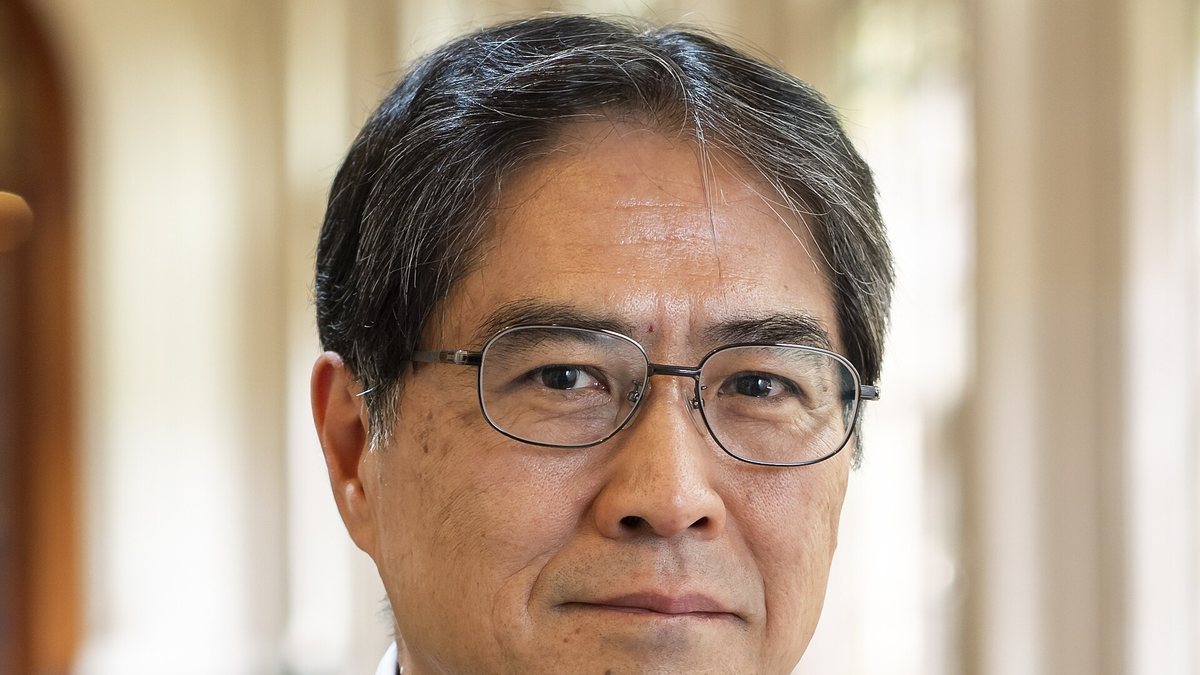
Court president Yuji Iwasawa said Myanmar had the "intention to destroy" a substantial part of the Rohingya population. The BBC reported the judges decided by nine votes to six, finding that "genocidal intent is the only reasonable inference" from the evidence. The case was brought by The Gambia under the Genocide Convention, which the BBC and The Hindu date to 1948. The South China Morning Post's summary referred to the 1951 convention.
The court said around 10,000 Rohingya were killed, a toll the SCMP gave as at least 10,000. The BBC reported the court found about 815,000 people were targeted in some way and more than 700,000 fled to Bangladesh. Iwasawa cited executions of men, widespread sexual violence, "extreme violence" against children and the burning of homes, and said the military destroyed evidence by burning or disposing of bodies. Antonia Mulvey of Legal Action Worldwide told the BBC the court had found for the first time that rape and sexual violence was an act of genocide.
According to The Hindu, the court ordered Myanmar to "allow and facilitate the safe, voluntary, and dignified return" of those who fled and to investigate and punish suspects. UN Secretary-General Antonio Guterres called on Myanmar to allow the returns. Reparations will be set at a later date. The court's rulings are binding and cannot be appealed, but it cannot enforce them and relies on the UN Security Council and political pressure, the outlets reported.
Myanmar has denied genocide, saying its forces responded to attacks by the Arakan Rohingya Salvation Army on more than 30 police posts. Its representative Ko Ko Hlaing told judges in January that Myanmar "was not obliged to remain idle and allow terrorists to have free rein". The BBC said he had "no comment" after the verdict, while CNA reported the military-led government did not immediately respond.
In the Cox's Bazar camps in Bangladesh, hundreds watched the ruling on a giant screen, The Hindu reported. Rahama Khatun, 43, whose husband was among 10 men killed at Inn Din village in September 2017 according to a Reuters investigation, told CNA: "My heart is filled with joy to hear that justice is finally being served." Mohammed Osman, 20, told AFP the community had "achieved only 50% of what we wanted" and would reach 100% when repatriated with dignity.
The BBC reported the ruling will bear on other pending ICJ genocide cases, including South Africa's case against Israel over Gaza, which Israel calls "wholly unfounded".
In London, Foreign Secretary Ed Miliband said Britain would expel Myanmar's defence attache and summon its charge d'affaires. He said further action would be set out in the coming days.
Sources: BBC News, Myanmar committed genocide against Rohingya minority, top UN court rules; CNA, 'Justice is finally being served': Rohingya widow hears Myanmar genocide ruling from refugee camp; South China Morning Post, UN top court says Myanmar committed genocide against Rohingya; The Hindu, Myanmar guilty of genocide against Rohingya, says top UN court.