What India's 130 million voter deletions mean for its polls
India's opposition wants the election chief gone over a roll revision that removed more than 130 million names, and the fight is now about trust.
What is happening?
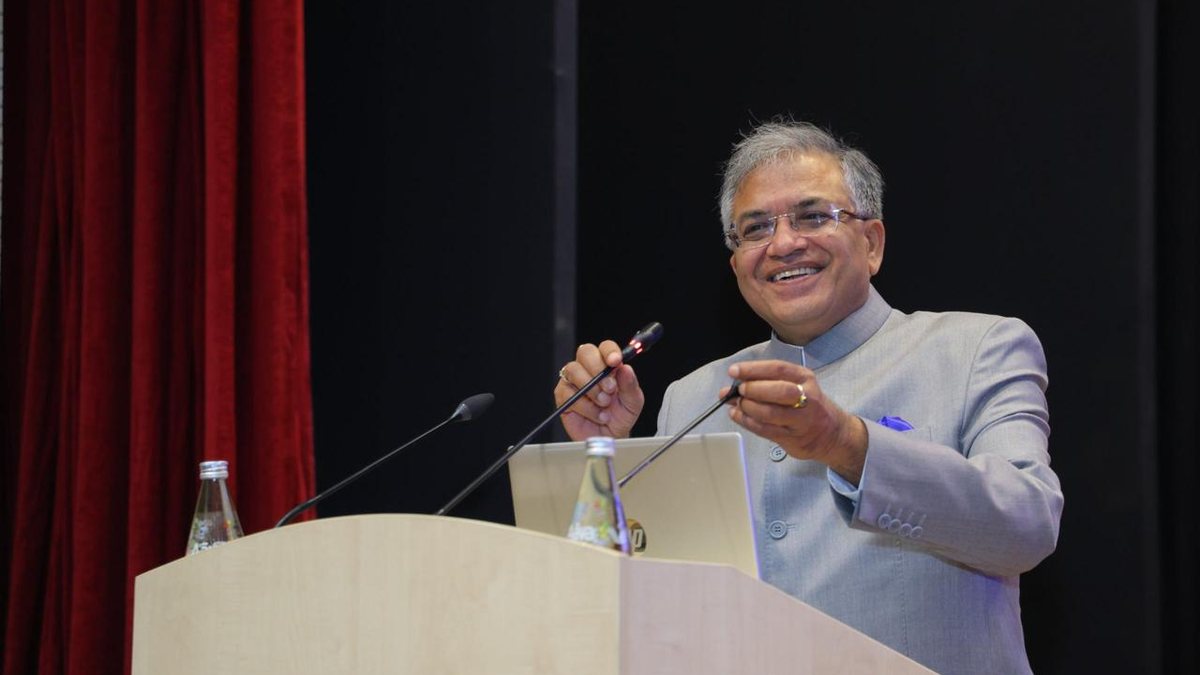
India's opposition is demanding that Chief Election Commissioner Gyanesh Kumar resign over a revision of the voter rolls that took more than 130 million names off draft lists. The exercise is called the Special Intensive Revision (SIR) and began in 2025. Reuters reported that the deletions include 28 million people recorded as dead, 63 million recorded as having moved and 30 million whom officials could not find.
The Election Commission says the revision clears out duplicate registrations and people who have died, moved or for some other reason can't vote. Anyone left off by mistake can re-enrol, it says, and it denies favouring any party. Opposition parties allege the process is striking off legitimate voters to benefit Prime Minister Narendra Modi's Bharatiya Janata Party. According to Reuters, they say Muslims and other minorities are disproportionately affected. The BJP and the commission reject this.
The dispute came to a head over two days. On 31 October the INDIA bloc staged a mock "public impeachment" of Mr Kumar in the garden of Congress president Mallikarjun Kharge's Delhi residence. On 1 November the BBC counted tens of thousands of people at Delhi's Ramlila Maidan demanding that he quit.
Why has the fight turned on the election commissioner himself?
The argument moved from the rolls to the man in charge after The Indian Express reported in September that Mr Kumar's two fellow commissioners had raised objections internally. CNA and The Straits Times, citing Reuters, said the two had concerns about how voter lists were revised, how registration worked and the commission's digital systems. The BBC said the paper reported he went ahead without their agreement on more than a dozen occasions. The commission said differences of opinion were normal and did not affect its work.
That report set the terms of the opposition's case. Mr Kharge read out six charges at the mock impeachment. They included shutting the other commissioners out of decisions, changing Form 6 without parliamentary oversight and acting at the behest of Mr Modi and Home Minister Amit Shah. Rahul Gandhi, the opposition leader in the Lok Sabha, said Mr Kumar should be removed and tried for treason.
The opposition says it held the hearing in a garden because the formal route was closed to it. Mr Kharge said 193 opposition MPs had lodged removal notices in both houses seven months ago and that these were rejected. The BBC noted the event had no legal standing, because a chief election commissioner can be removed only through a formal parliamentary process. Mr Kharge also called for repeal of the law that gives the commissioner lifelong immunity.
What is at stake for trust in India's elections?
Neither side disputes how many names were removed. What they disagree on is whether those people really died or moved. Mr Gandhi said nearly 15 per cent of the electorate had been deleted and compared that with the three-point gap between the two sides at the 2024 general election. Trinamool Congress MP Mahua Moitra claimed 71 per cent of those removed in West Bengal were Muslims and 51 per cent were women. These are opposition claims, and the commission has not accepted them.
The government side says the protests are the real threat. Mr Modi told a rally that "some people" wanted to create chaos so he could be defamed. Health Minister JP Nadda called the Ramlila Maidan gathering a "calculated conspiracy to plunge the nation into anarchy". Each camp accuses the other of undermining democracy. The pattern suggests that confidence in the commission has itself become a partisan question, and that is harder to settle than any dispute over a list.
Voters at the rally described problems closer to home. Reena Mahto told Reuters that four members of her family in Jagdalpur, Chhattisgarh, were struck off because of a false record that they had moved. "We don't even know if this is a people's mandate or a stolen mandate," Isha, who works in the development sector in Delhi, told the BBC. CPI(M) MP John Brittas said he had attended two hearings himself to prove he was eligible to vote.
Indian-Australians who follow politics back home will be watching an argument about the institution that referees every contest, more than about any single result. The largest group in Reuters' breakdown is people recorded as having relocated. That is where official records and accounts like Ms Mahto's clash most openly, so readers with relatives in India may find it the most useful category to watch.
What happens next?
Trinamool MP Sagarika Ghose has called for formal removal proceedings in Parliament's Winter Session. Mr Kharge said the campaign would go on until Mr Kumar resigned. Mr Gandhi claimed the commissioner would not survive in the job once the opposition made its evidence public. That evidence has not yet been released.
The street campaign is also changing. Near-daily protests by student groups and the Cockroach Janta Party, which is led by Gen Z activists, go back to late September, according to CNA. On 10 October several of the party's leaders were detained, and BBC reporters saw police pulling protesters away and hitting some of them with batons. The party backed the 1 November rally but stayed away, and its founder, Abhijeet Dipke, said it wanted to stay independent of the established parties.
Reuters has called the protests Mr Modi's worst crisis since he took office in 2014, while also saying his government is stable and no general election is due before 2029. Before then, the commission says wrongly deleted voters can re-enrol. How many do, and how quickly, may be the clearest public test of its account.
Our reporting on this story
- India's opposition holds mock "impeachment" of chief election commissioner
- India's opposition gathers in Delhi to demand election chief quit over voter rolls
Sources: The Hindu, INDIA bloc holds symbolic ‘public impeachment’ of CEC Gyanesh Kumar on six charges; NDTV, 'Madam Speaker' At Mock Parliament: Meira Kumar Returns To Chair, Her Polite Sternness Intact; BBC News, India's opposition set to hold mega rally seeking election chief's resignation; CNA, Indian authorities tighten security ahead of big opposition march in Delhi; The Straits Times, Indian authorities tighten security ahead of big opposition march in Delhi.