Myanmar rejects UN court's Rohingya genocide ruling as Australia weighs response
Naypyidaw calls the split ICJ verdict "not fair", while Foreign Minister Penny Wong urges Myanmar to comply with the court's judgment.
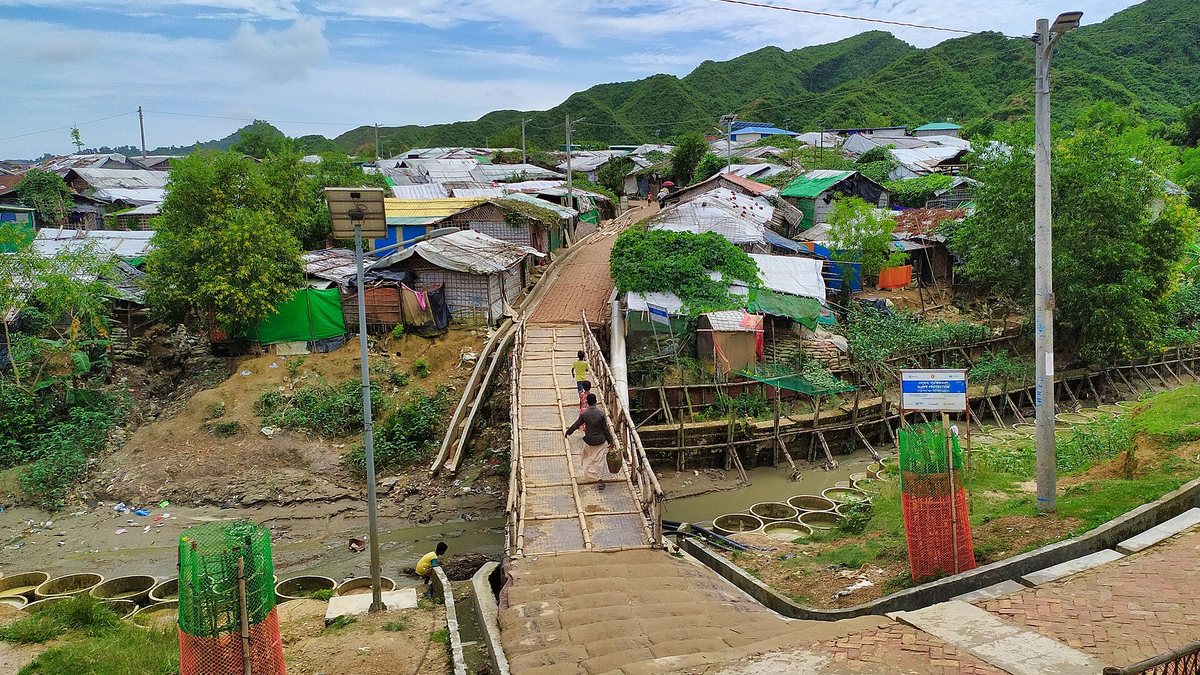
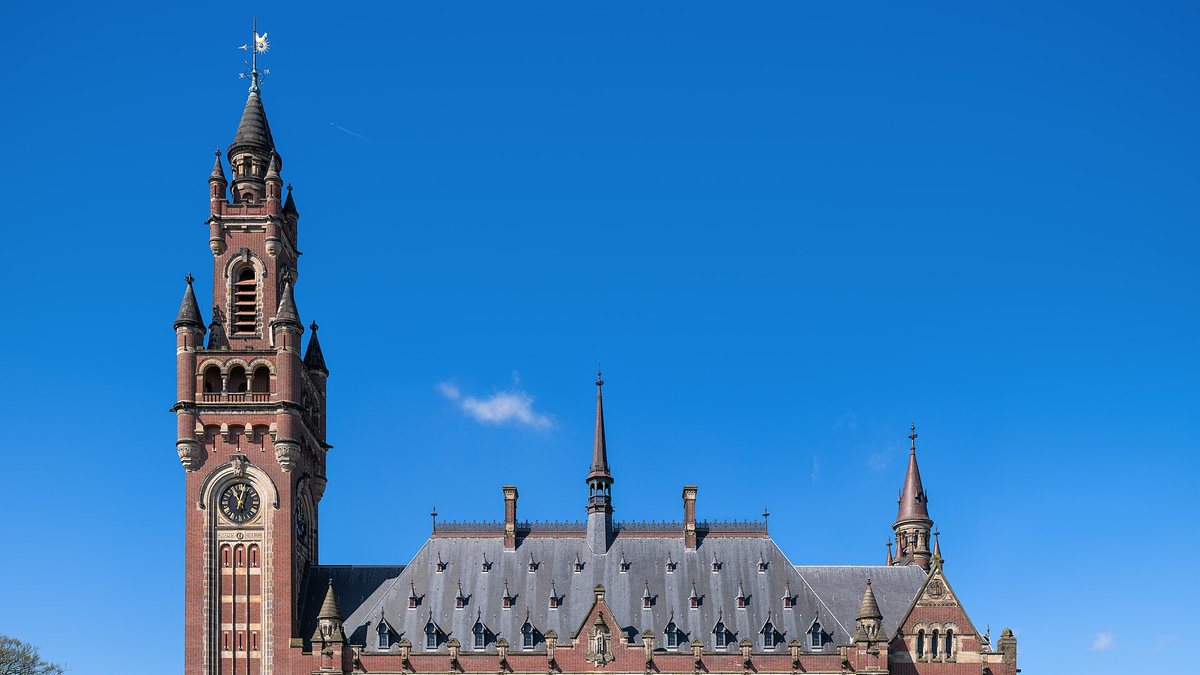
Myanmar has rejected a ruling by the International Court of Justice that its security forces committed genocide against the Rohingya. In Canberra, the Australian government said it would carefully consider the court's findings in consultation with international partners.
Presidential spokeswoman Khaing Khaing Soe told a press conference in Naypyidaw on Friday that the 9-6 decision was "not a unanimous decision" and "not fair", CNA and SBS News reported. The Hindu quoted the spokesperson as saying: "Our country was unjustly accused." In a statement late on Friday, the foreign ministry called the finding "a great disappointment", The Straits Times reported.
The ministry said operations in northern Rakhine State from 2016 to 2018 "were not carried out with genocidal intent" and were a response to terrorist attacks. The court had dismissed that argument. "There is no evidence before the Court that, in the conduct of the clearance operations, Myanmar distinguished between civilians and alleged (Rohingya) fighters," the judgment said, according to CNA.
Judges found the military carried out mass executions of men and boys, committed widespread rape and burned or razed hundreds of villages during the 2017 crackdown. CNA reported the court found thousands of civilians were killed, while SBS News said the court put the evidence at around 10,000 deaths. CNA and SBS said it was the first time in the ICJ's 80-year history that it had found a state committed genocide. The court ordered safe return for refugees and compensation, with amounts to be set later.
Penny Wong called on Myanmar to comply. "Australia wants to see conditions in place that allow Rohingyas to return to their homes voluntarily, safely, sustainably and with dignity, with their human rights protected and a path to citizenship," the Foreign Minister said in a statement reported by SBS News. Australia has committed more than $1.26 billion in humanitarian aid to people affected by the crisis in Myanmar and Bangladesh since 2017. Special Envoy for Indian Ocean Affairs Tim Watts told SBS Bangla it was "Australia's single largest humanitarian commitment".
About 750,000 Rohingya fled to Bangladesh in 2017 and the camp population there has grown to 1.2 million, The Straits Times reported. Visiting Cox's Bazar on Friday, UN General Assembly president Khalilur Rahman said: "A judgment on paper is not justice in life." Mohammed Osman, 20, whose parents and four siblings were killed by the military, told AFP the community had achieved "only 50 per cent" of what it wanted.
China raised concerns about judicial overreach, CNA reported. The US State Department said it was studying the decision and stressed the need to avoid "politicisation" of the court.
ICJ rulings are binding and cannot be appealed, but the court has no way of enforcing them. Myanmar's foreign ministry said repatriation of refugees in Bangladesh would proceed "as and when situations permit". In August, the military-backed government said it had verified 308,797 camp residents as former Rakhine residents, but that returns would begin only when security conditions improve.
Sources: The Straits Times, Myanmar calls UN court's Rohingya genocide ruling a 'great disappointment'; CNA, Myanmar says international court's genocide ruling 'not fair'; The Hindu, Myanmar calls ICJ ruling on genocide 'unfair'; SBS News, 'Not fair': Myanmar responds to ICJ ruling of genocide.