New Zealand coalition loses majority as centrist Opportunity party holds the balance
Final results leave Christopher Luxon's coalition one seat short and in need of a deal with Qiulae Wong's Opportunity party, or a fresh election.
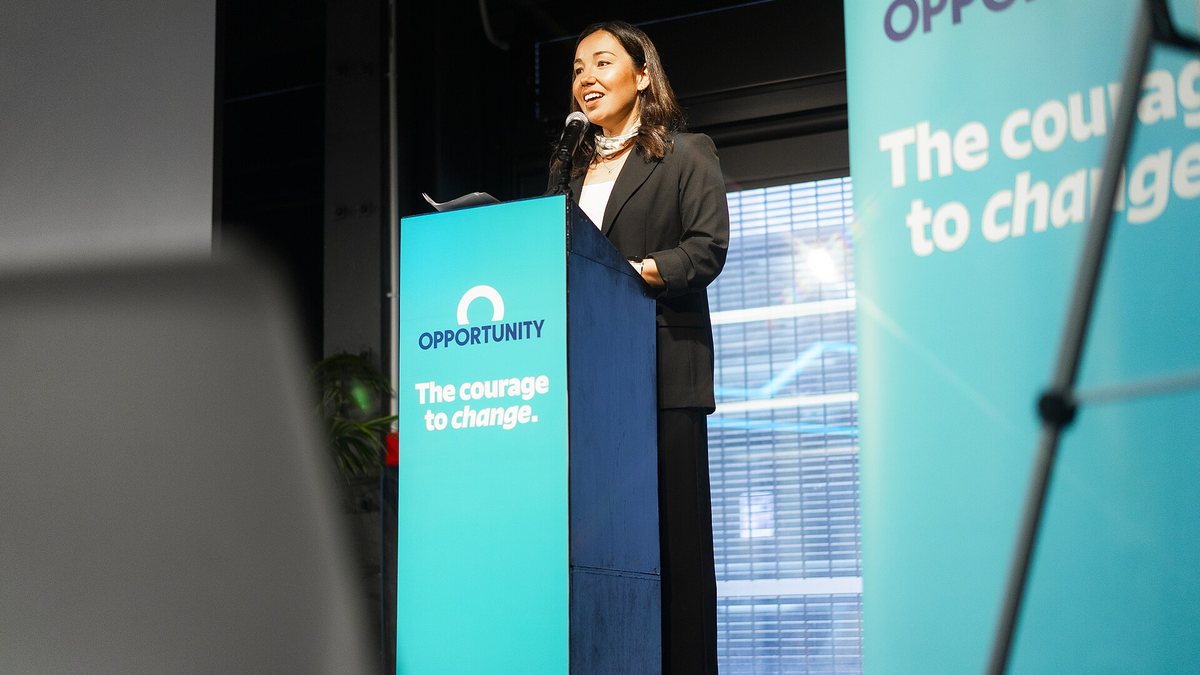
New Zealand Prime Minister Christopher Luxon's right-wing coalition has lost its parliamentary majority. Final election results released on Friday mean he needs the centrist newcomer Opportunity party to govern for a second term, The Guardian, the BBC, The Hindu and SBS News reported. If no deal is reached, the country could face another election.
Nearly 485,000 special votes, cast from overseas or outside a voter's electorate, cost National two seats. It now holds 40, with ACT on 13 and NZ First on 12, a combined 65. The Guardian said 66 seats are needed for a majority in the 130-seat parliament. Labour has 36, the Greens rose one to 17, Opportunity has seven and Te Pati Māori five. SBS put the Labour-led left at 58, while the BBC reported a Labour-led government was not possible even with Opportunity's support.
The Guardian reported that three electorates changed hands. Labour took Wairarapa from National by 81 votes and Hamilton East by 173, and the Greens won Wellington Bays from Labour by 1,610 votes.
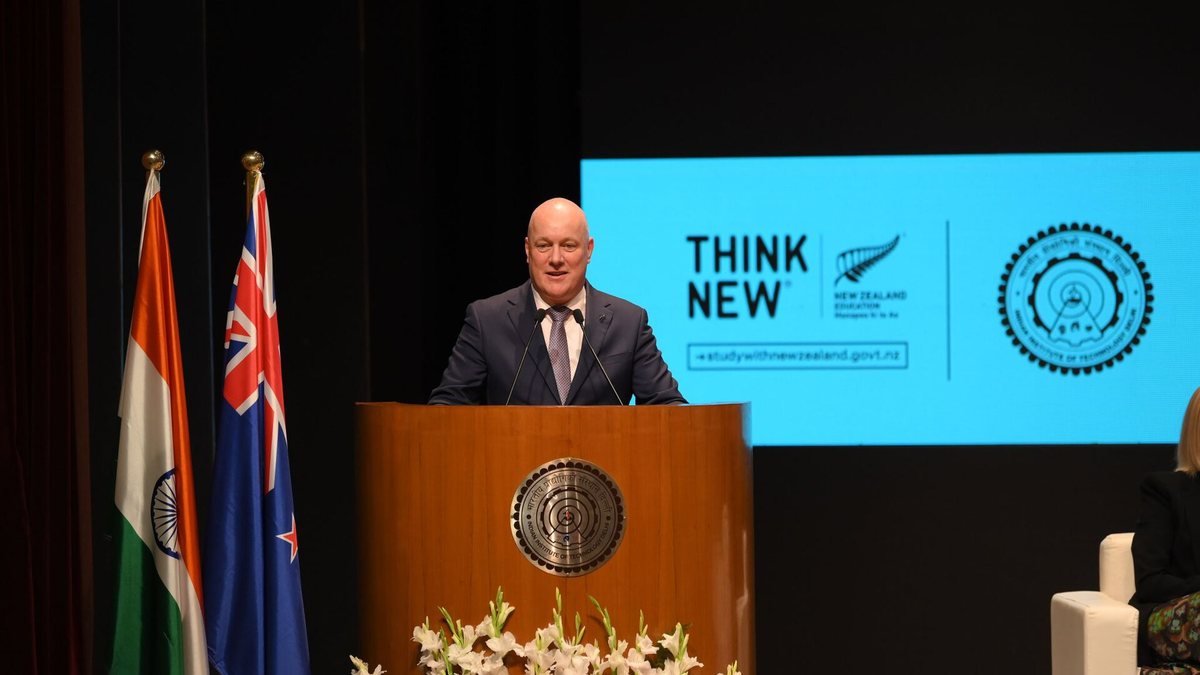
Luxon, who ruled out working with Opportunity during the campaign before softening that position, said National would begin formal talks with NZ First, ACT and Opportunity. He warned they would be "challenging". "Kiwis won't thank us for rushing to an agreement that falls apart, or for sending them back to the polls," he said.
Opportunity leader Qiulae Wong, a 38-year-old former KPMG consultant, took over the party when it was polling at about 1 per cent in August last year, The Hindu reported. She said she would negotiate first with National, but her five bottom lines are non-negotiable. They cover the supermarket duopoly, capping political donations, a 10-year health plan, ending bottom trawling and stronger climate commitments. "It's not just up to us," she told reporters, according to the BBC.
Wong has also said she will not do a deal if NZ First leader Winston Peters is foreign minister. The Hindu reported she ruled this out after he told a Chinese-born lawmaker to "go back to your own country". SBS said she also could not support the coalition's first-term Māori policies, and that NZ First opposes Opportunity's fisheries plans. ACT is unlikely to back donation reform.
Victoria University of Wellington political scientist Lara Greaves told The Guardian the chance of another election was "the highest chance we've ever had". Labour leader Chris Hipkins, whose party won the largest share of the party vote, said "more New Zealanders voted for change at this election than for the status quo". He said a decision on his leadership would follow the formation of a government.
The BBC reported the campaign was shaped by cost-of-living pressures and high unemployment, with New Zealanders leaving in record numbers, many of them for Australia. Talks after the 2023 election took five weeks according to The Guardian and more than six weeks according to The Hindu.
A recount could change the arithmetic. The Guardian reported that if National wins back one seat it could govern without Opportunity. Applications close on 3 December, and results could take another five days.
Sources: The Guardian, New Zealand election: final results show ruling coalition needs minor party to govern; BBC News, New Zealand's ruling coalition falls short of parliamentary majority by one seat; The Hindu, New Zealand PM Luxon loses majority, centrists now kingmakers; SBS News, New Zealanders finally have an election result — but a government could still be weeks away.