Small island states plan remittance-backed climate fund at COP31 talks
Fiji, Samoa and Tonga are among the nations in a proposed fund built on diaspora money, as Pacific ministers say talks go on without the US.
Small island states want to fund climate resilience with a charge on the money their emigrants send home. Fiji, Samoa and Tonga would join the scheme in its second year, according to a Reuters report carried by The Straits Times from the COP31 talks in Antalya, Türkiye.
Under the plan, senders would pay 3% per transaction, less than the average costs of around 5% to 9% in the markets studied. After costs, 2 to 2.5 percentage points of each transfer would go into an endowment and be invested. Of the returns, 85% would pay for resilience measures and the rest would be kept as a disaster reserve. The group's eventual aim is about $3 billion a year. That is more than the roughly $2 billion in international public adaptation finance the islands received in 2021-2022, according to a 2025 study by the Climate Policy Initiative.
Figures supplied by the Small Island Developing States group put remittances to its members at around $22 billion. It wants the platform to capture about a third of that by its 10th year. Under the base-case scenario, the endowment would reach $2.59 billion by then.
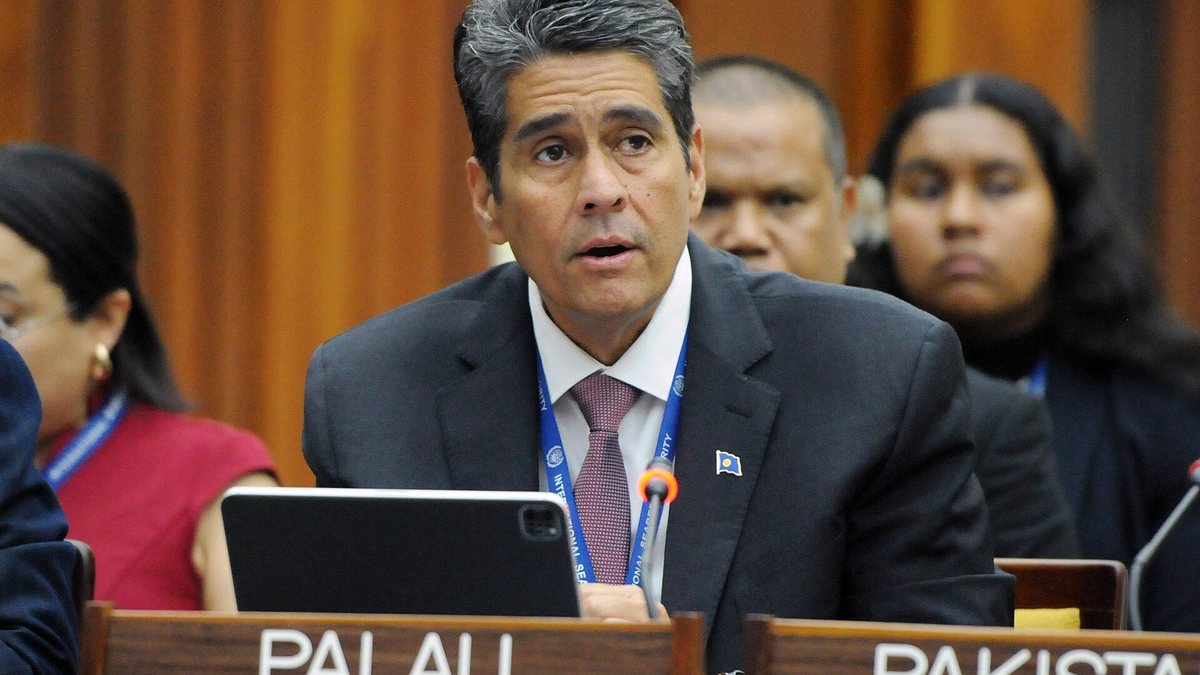
Palau's President Surangel Whipps Jr said the proposal "takes money that is already ours, already flowing home across the Pacific, the Caribbean and beyond, and puts it to work for our own resilience".
RNZ reported that the United States has no official presence at the summit, the second year in a row the Trump administration has stayed away. Marshall Islands Environment Minister Jess Gasper told a High Ambition Coalition news conference that the US was critical, like all major emitters, but "just because the US is not here, doesn't mean that work doesn't move on." UN climate chief Simon Stiell said US sub-national and non-state actors would be even better represented than at COP30 in Belém.
Mr Gasper said his people had already been forced from Bikini Atoll by nuclear weapons testing. "I refuse to accept that another generation of Marshallese should face displacement because the world fails to act," he said.
Tuvalu's Climate Change Minister Dr Maina Vakafua Talia said the summit would not succeed unless it dealt with the overshoot of the 1.5°C warming goal. A new UN report says going past that limit is now inevitable, RNZ reported. The South China Morning Post reported that Seychelles Vice-President Alix Sebastien Pillay told delegates on Thursday: "It is time to move past the talking."
The talks run until the end of next week. Antigua and Barbuda's UN ambassador Walton Webson said the islands had held preliminary talks with several development banks. A wider meeting with the banks and island leaders is planned for January, with the aim of making progress by COP32 in 2027.
Sources: RNZ, COP31: Climate action must continue even if 'US is not here', Pacific leaders say; South China Morning Post, Climate-vulnerable nations urge immediate action at UN Cop31 summit; The Straits Times, Small islands aim to use remittances to fund climate resilience.